 F4LUFTBILDER
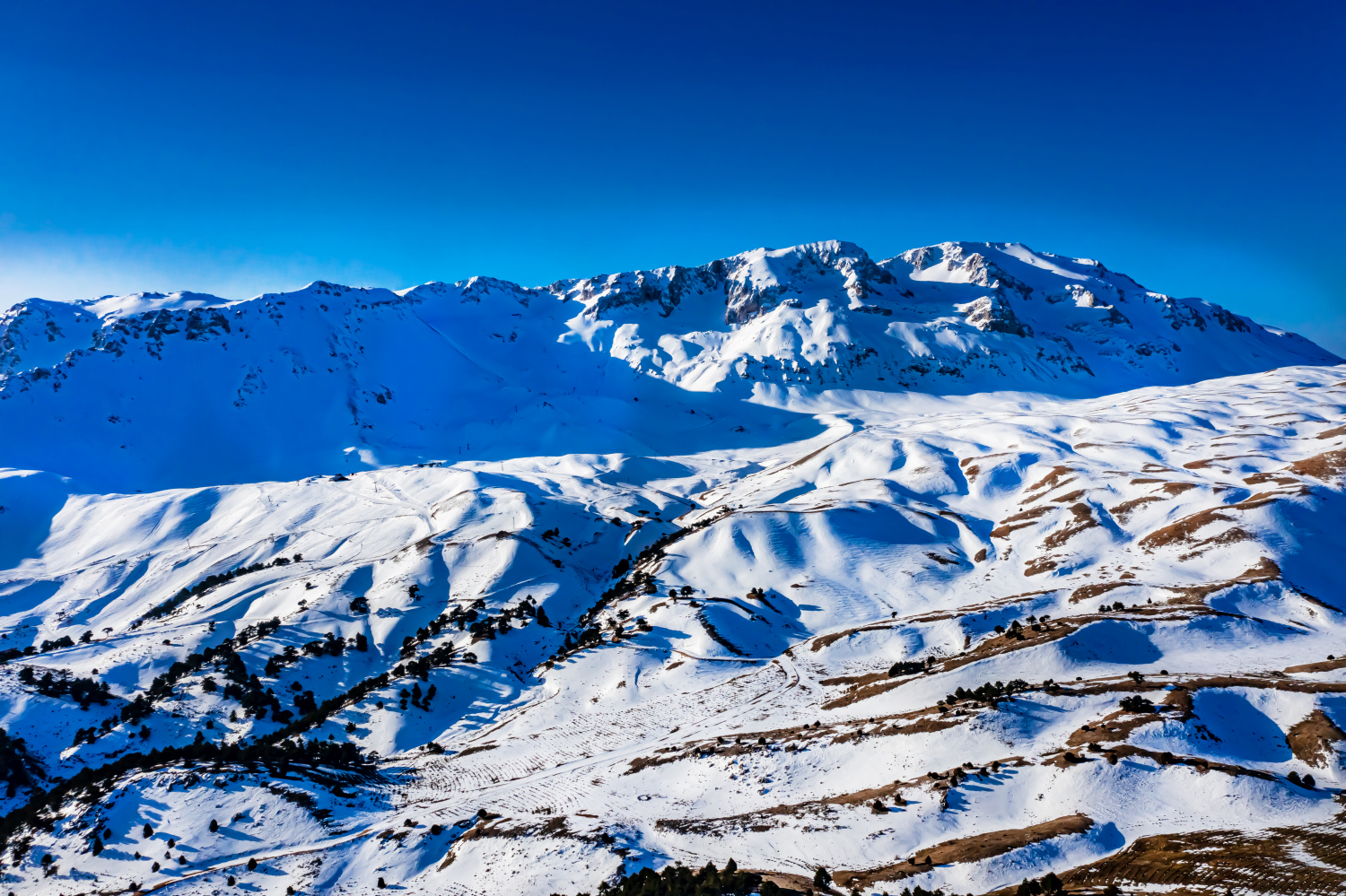
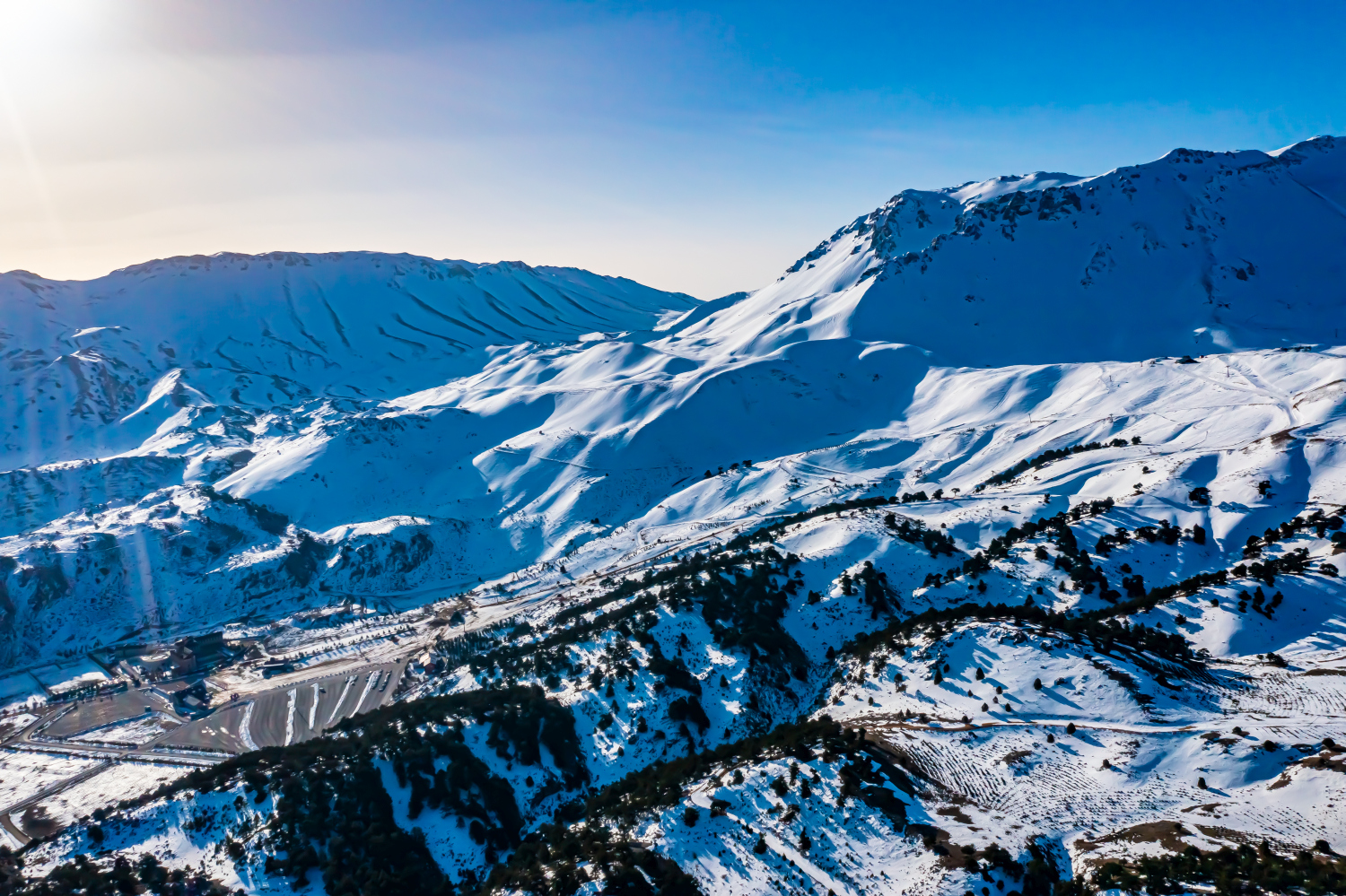
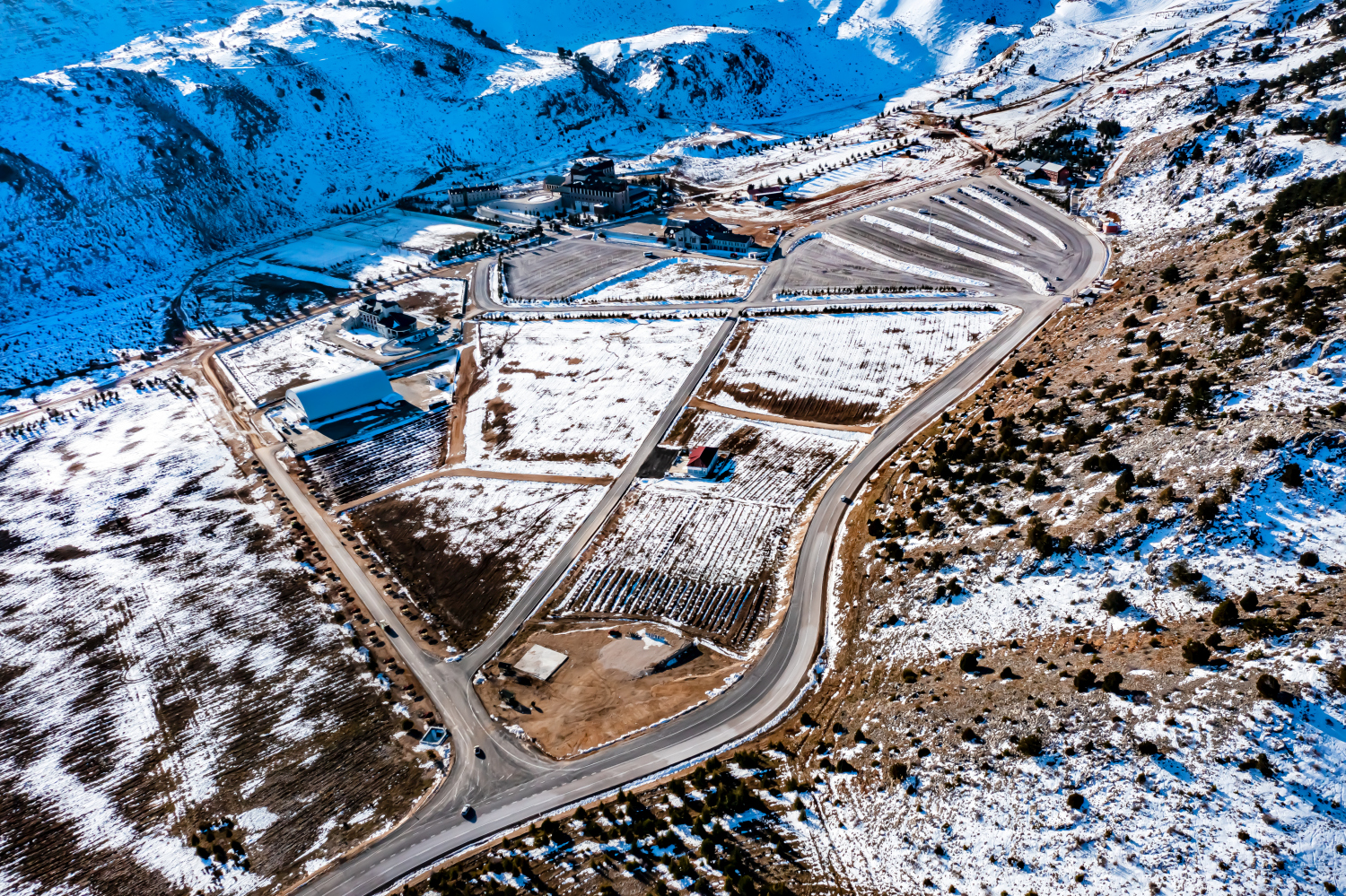
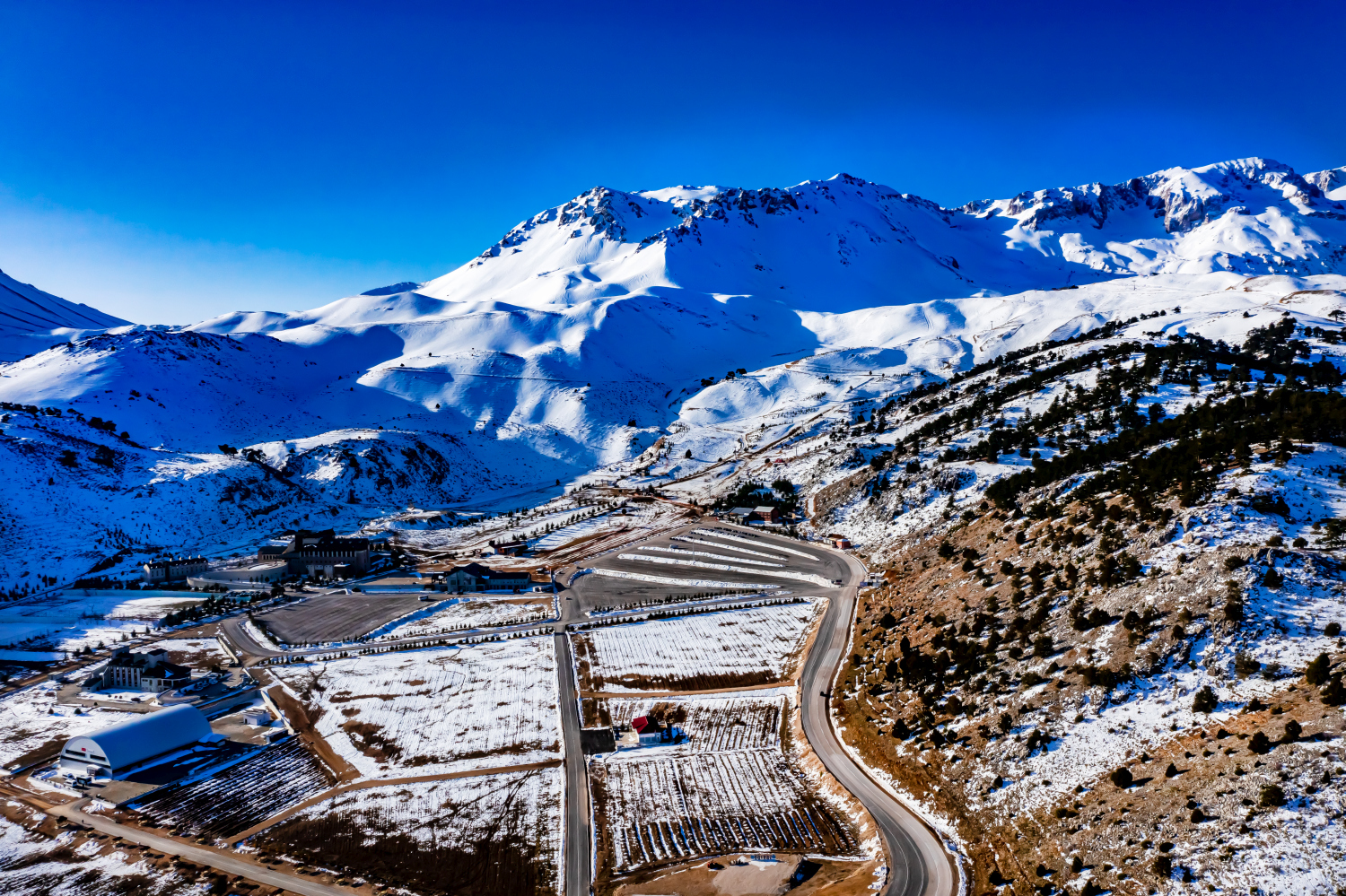
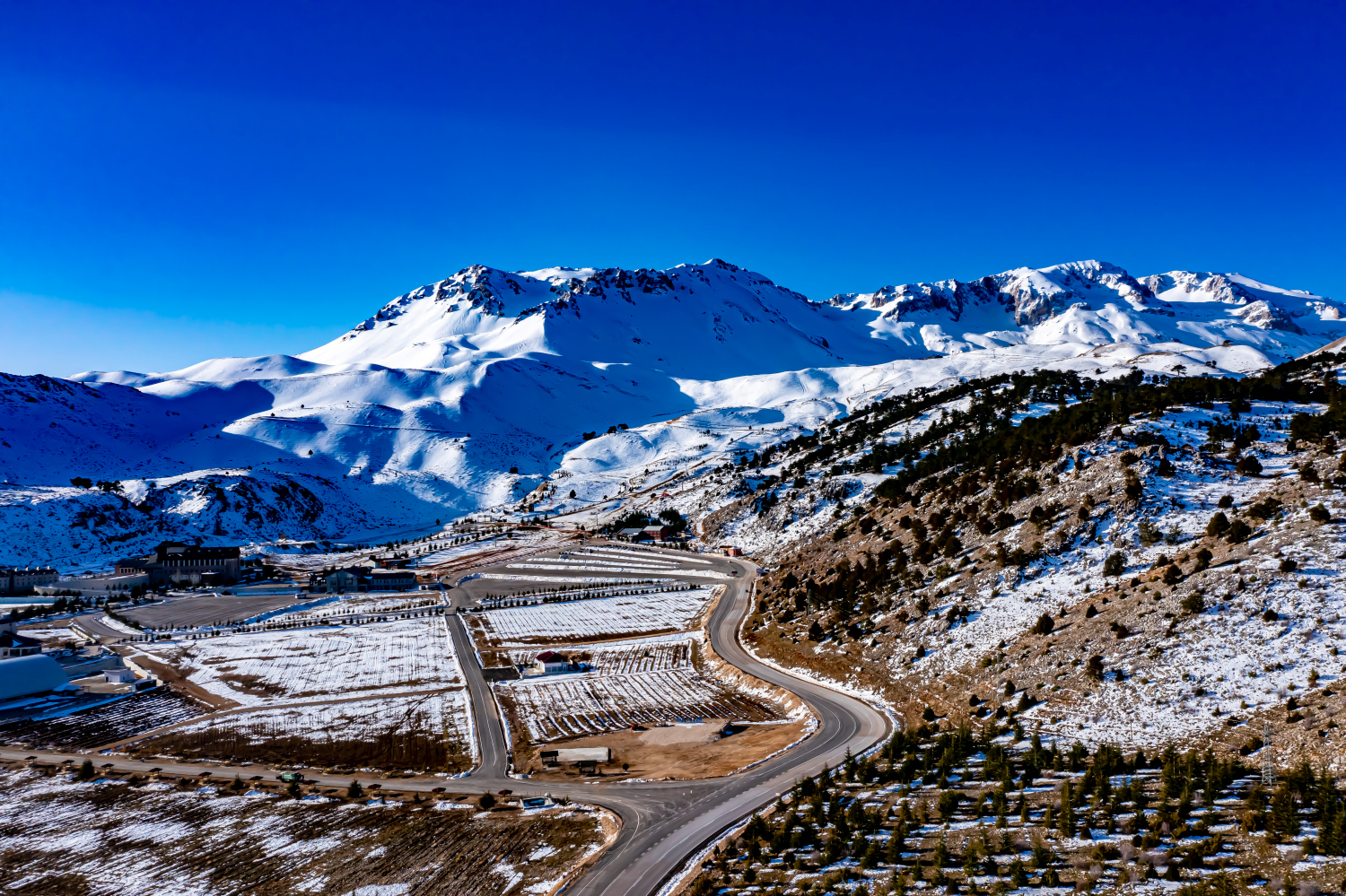
The snowy Davraz Dağı
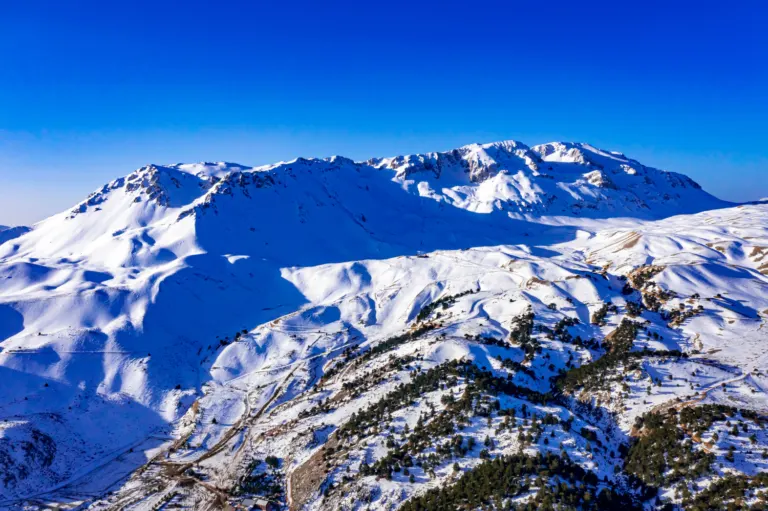
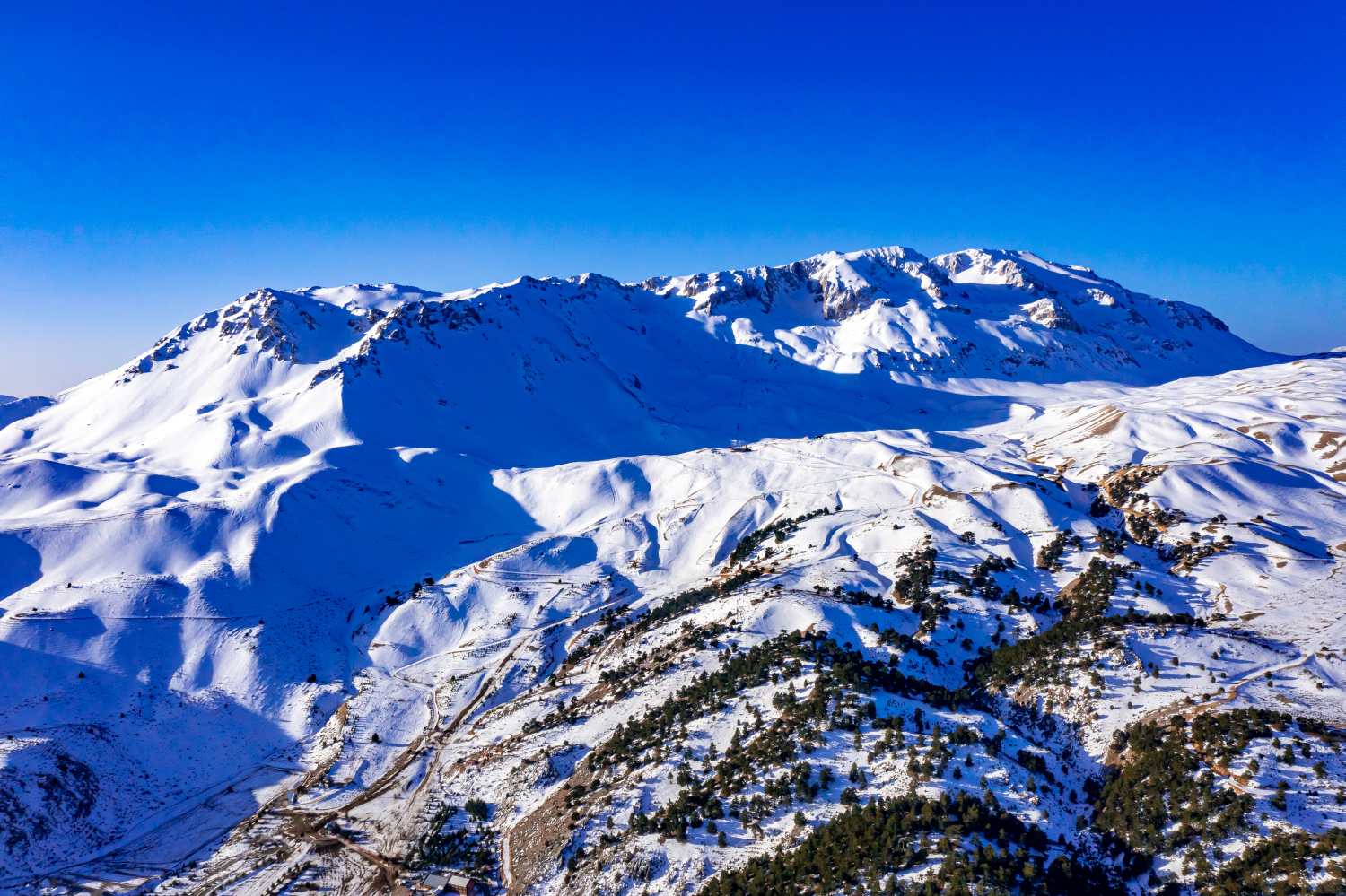
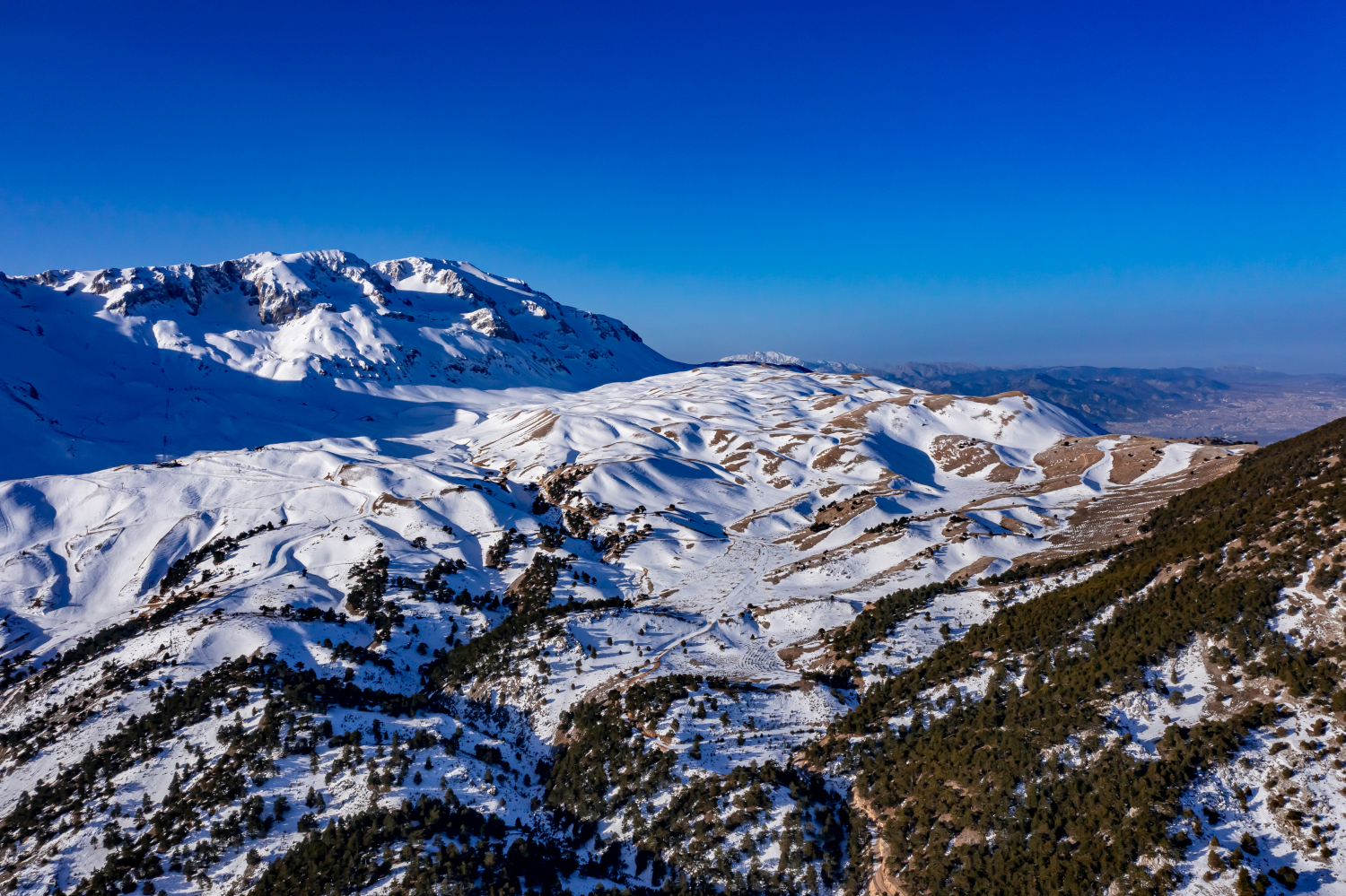
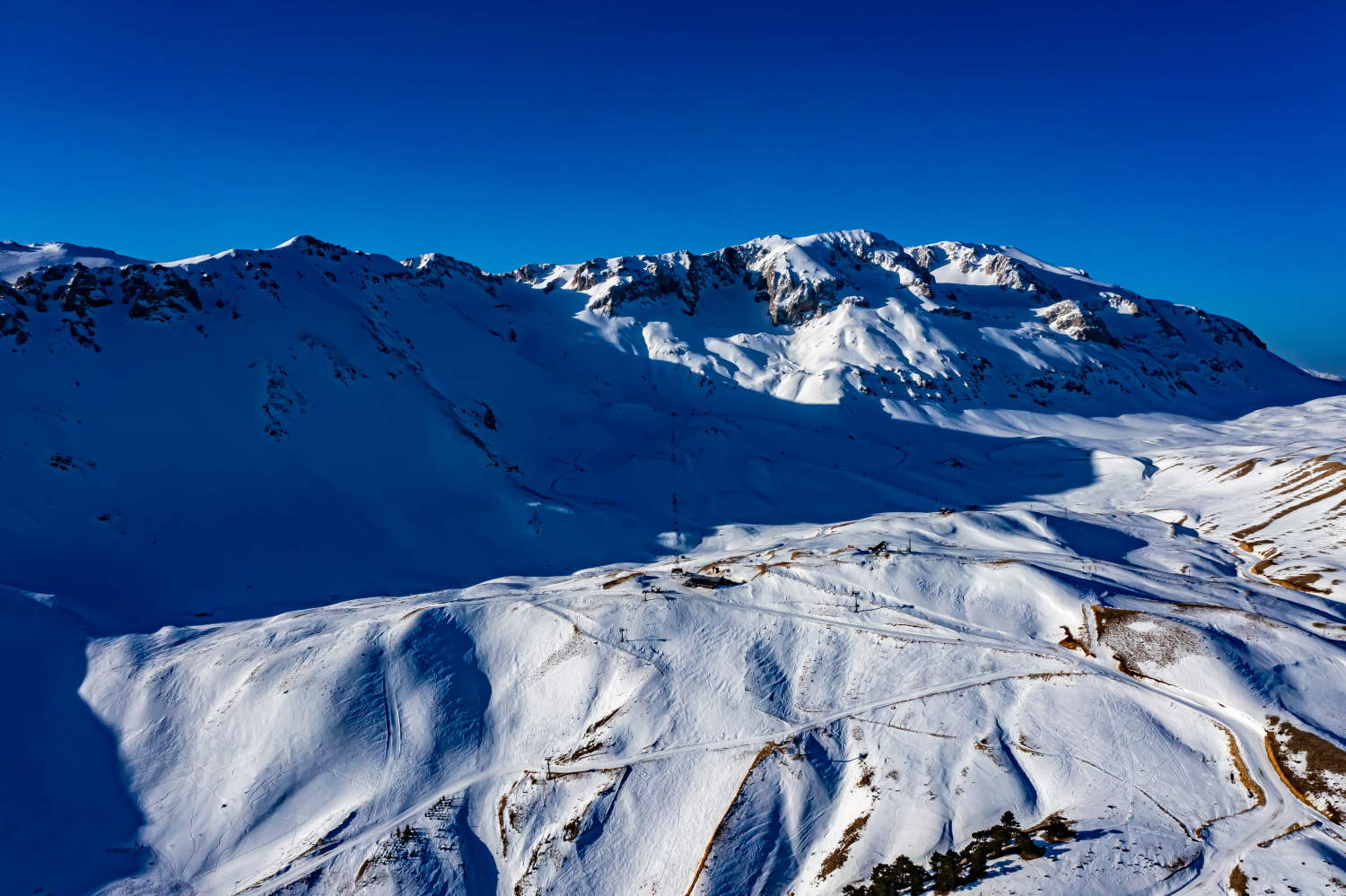
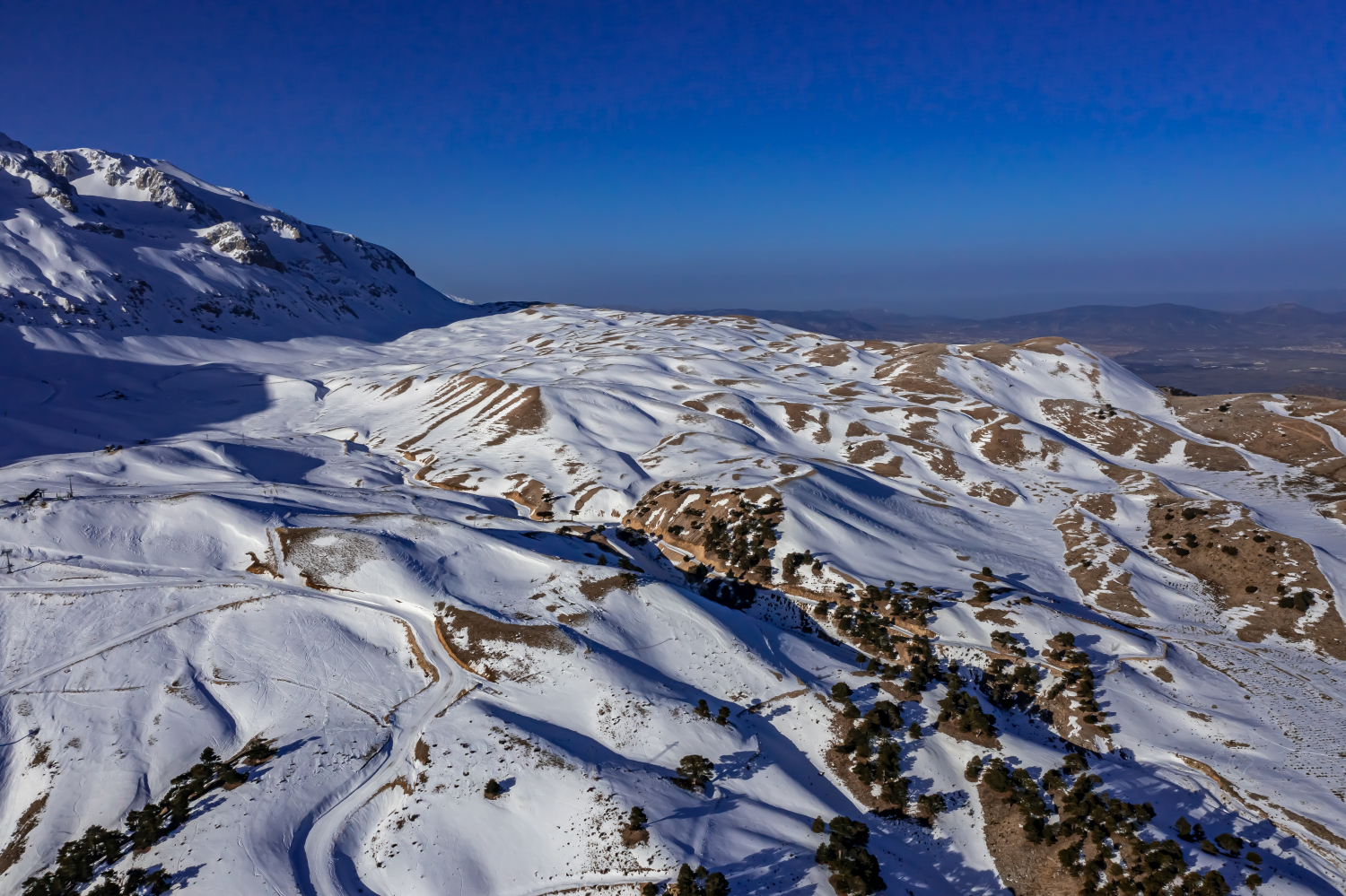
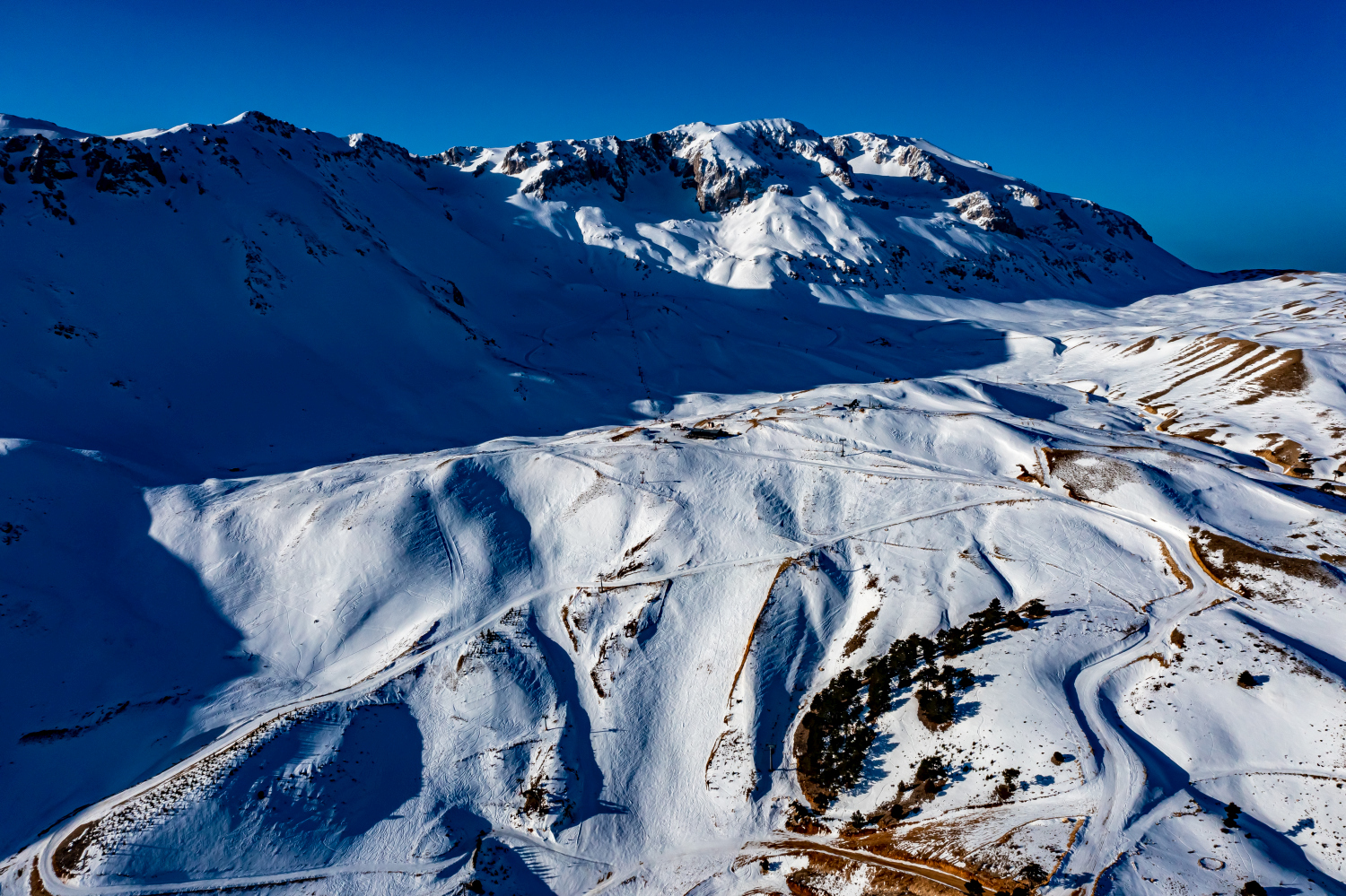
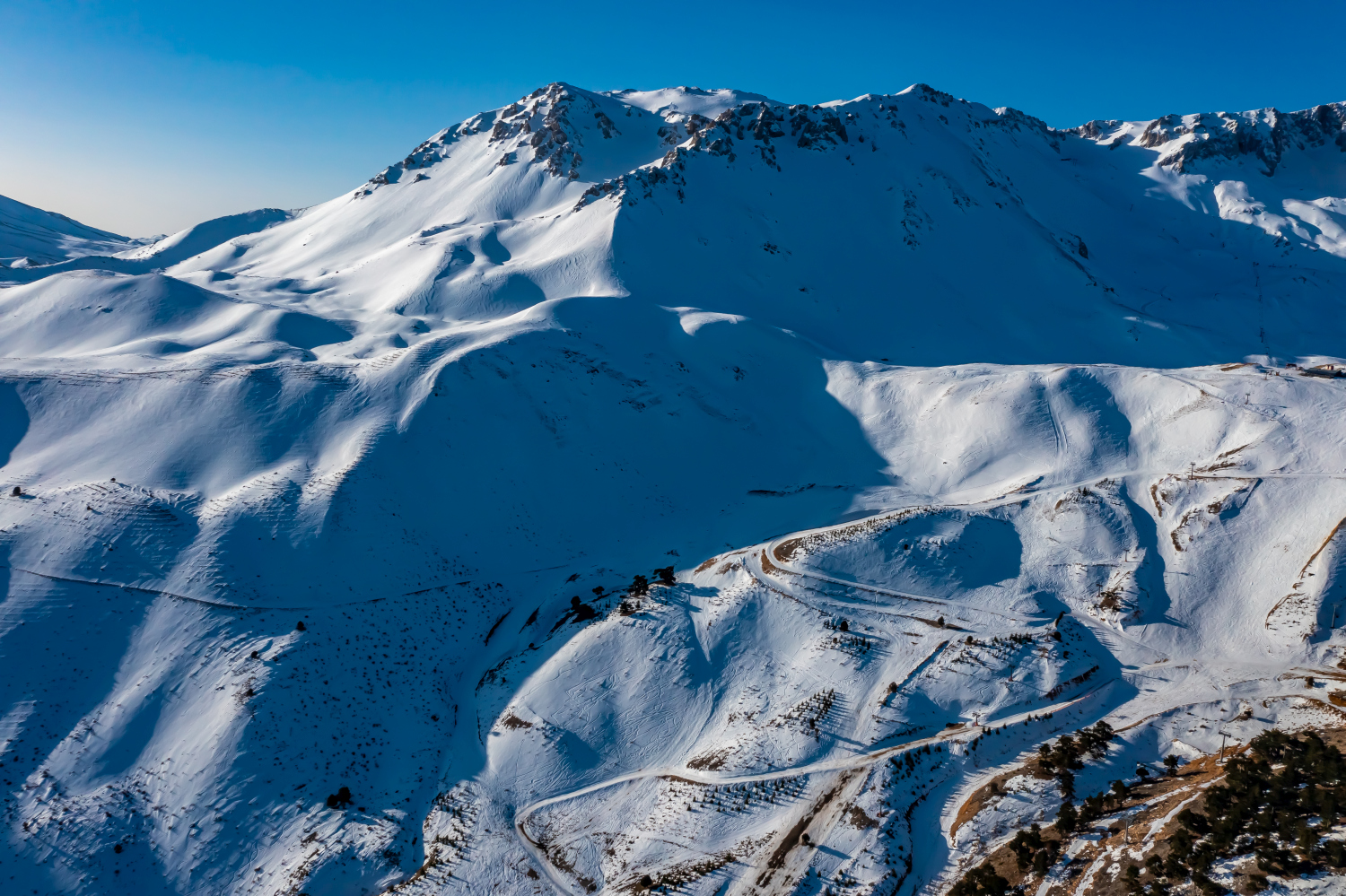
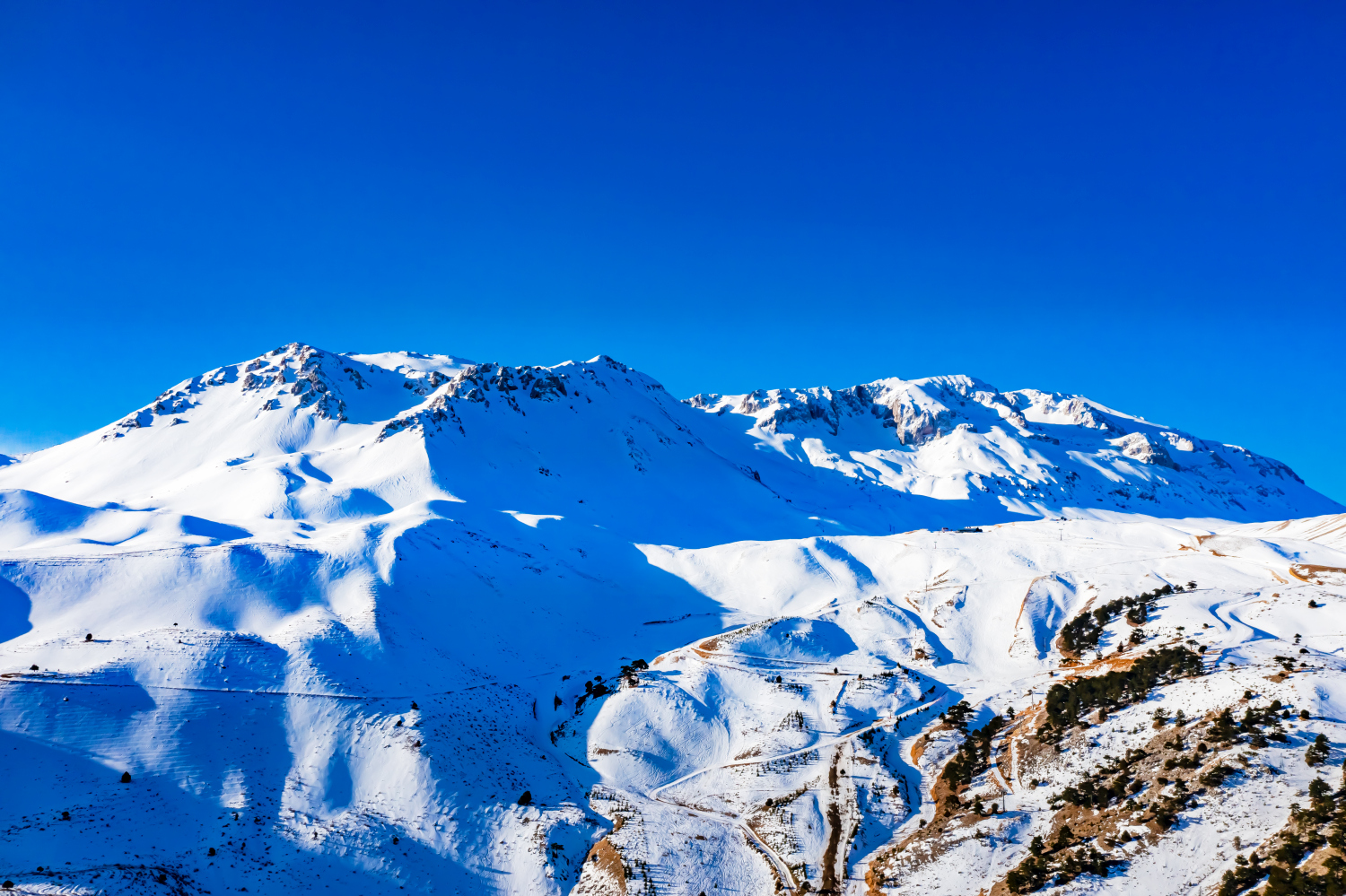
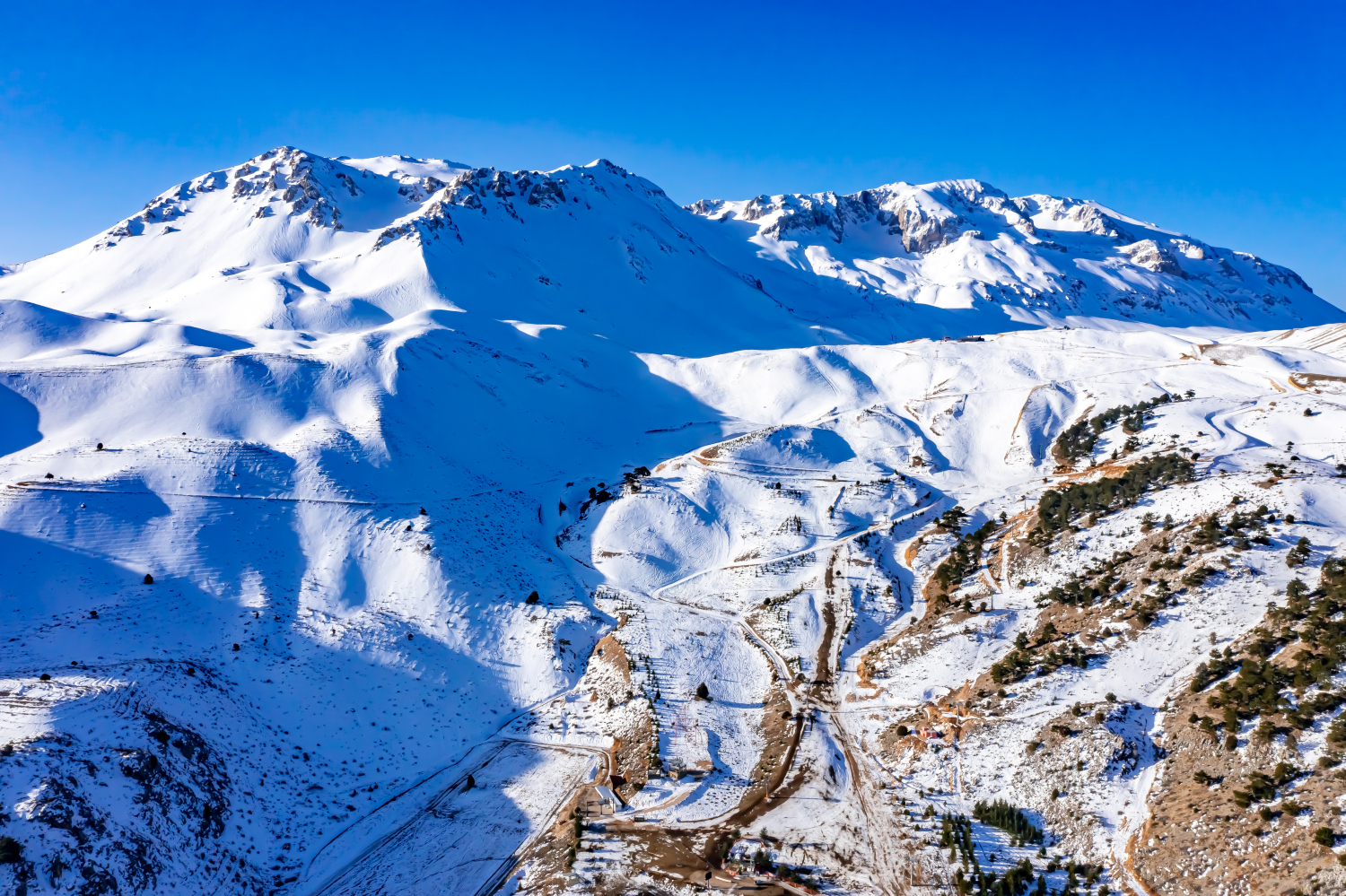
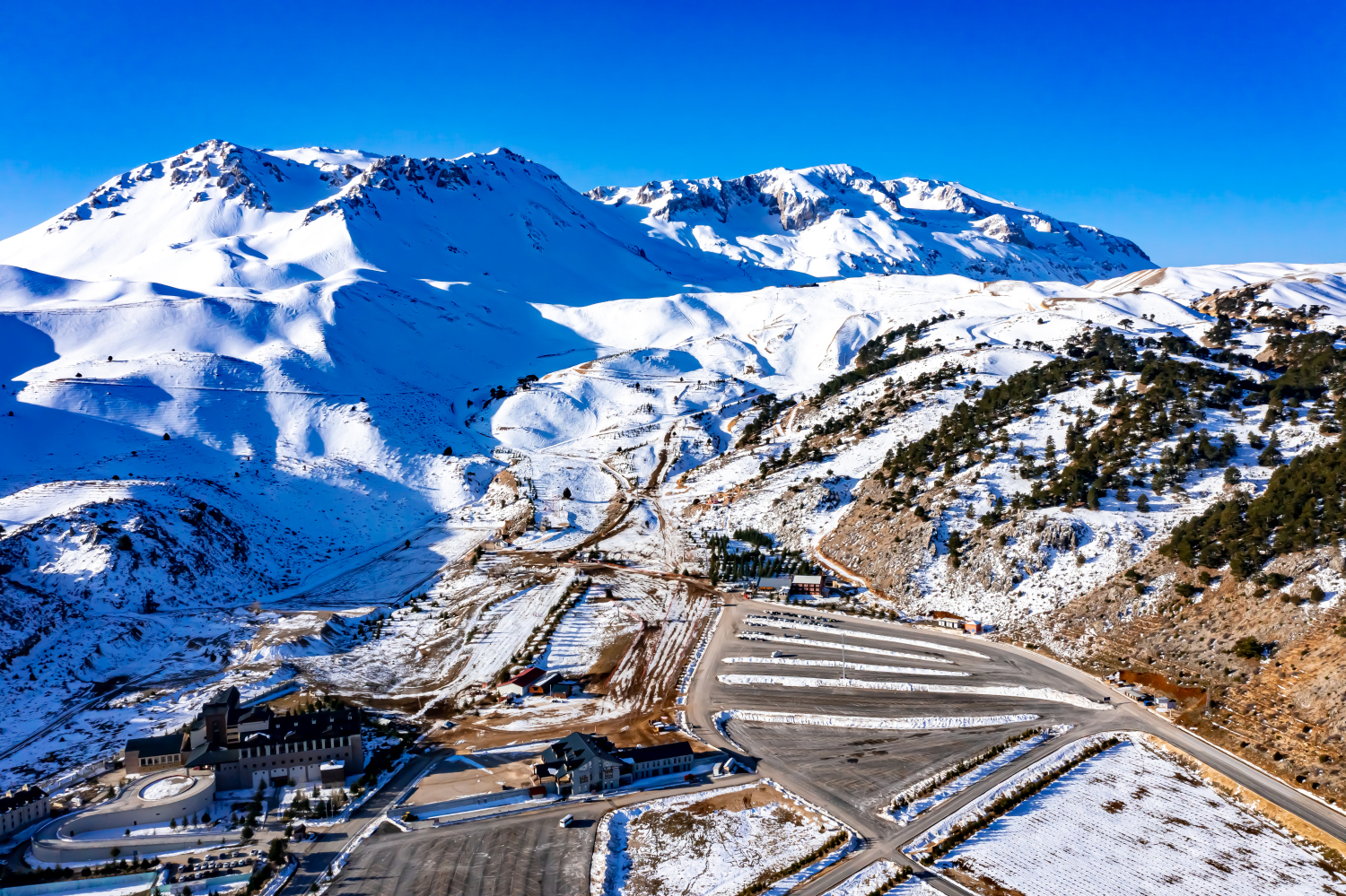
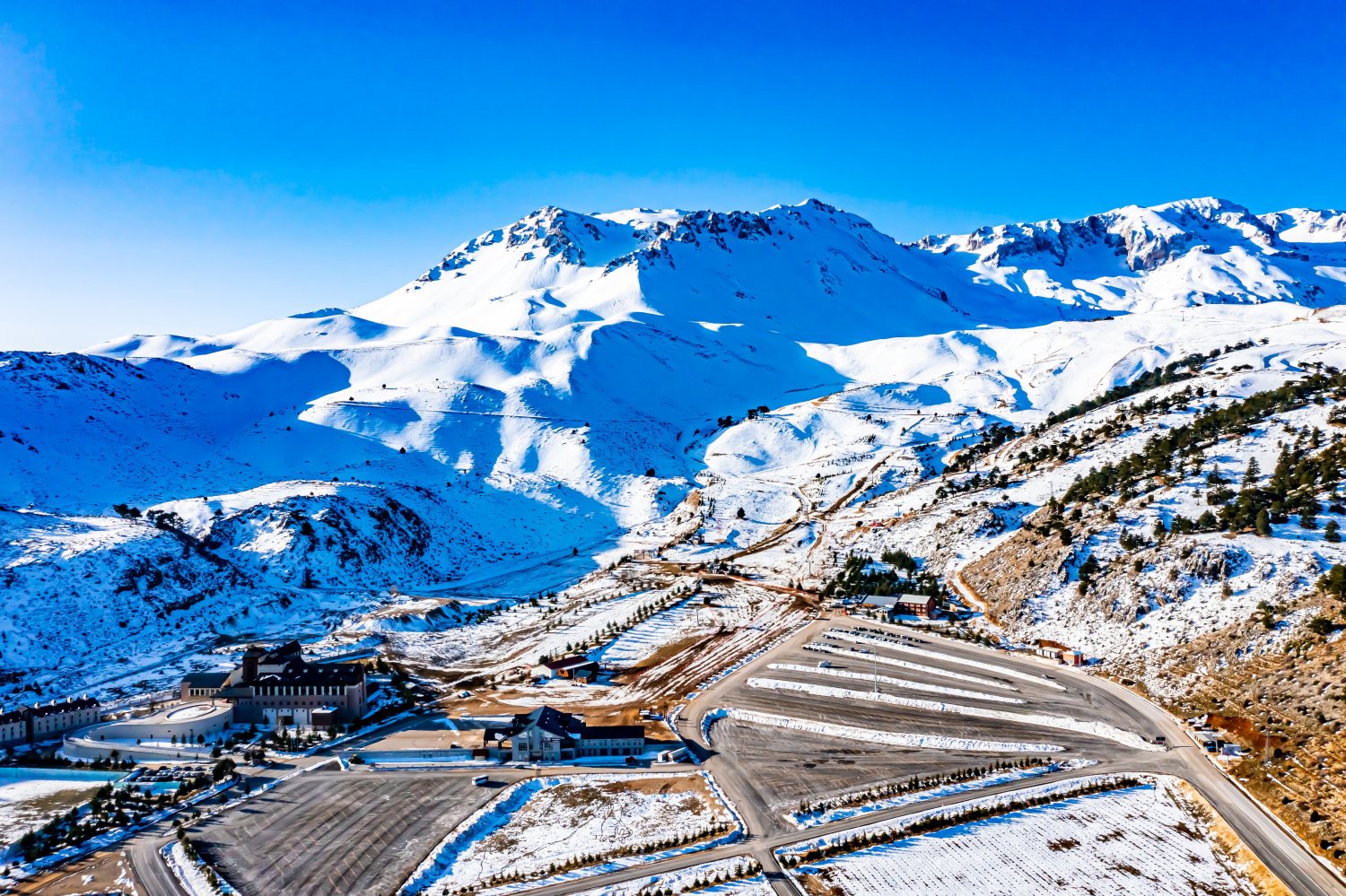
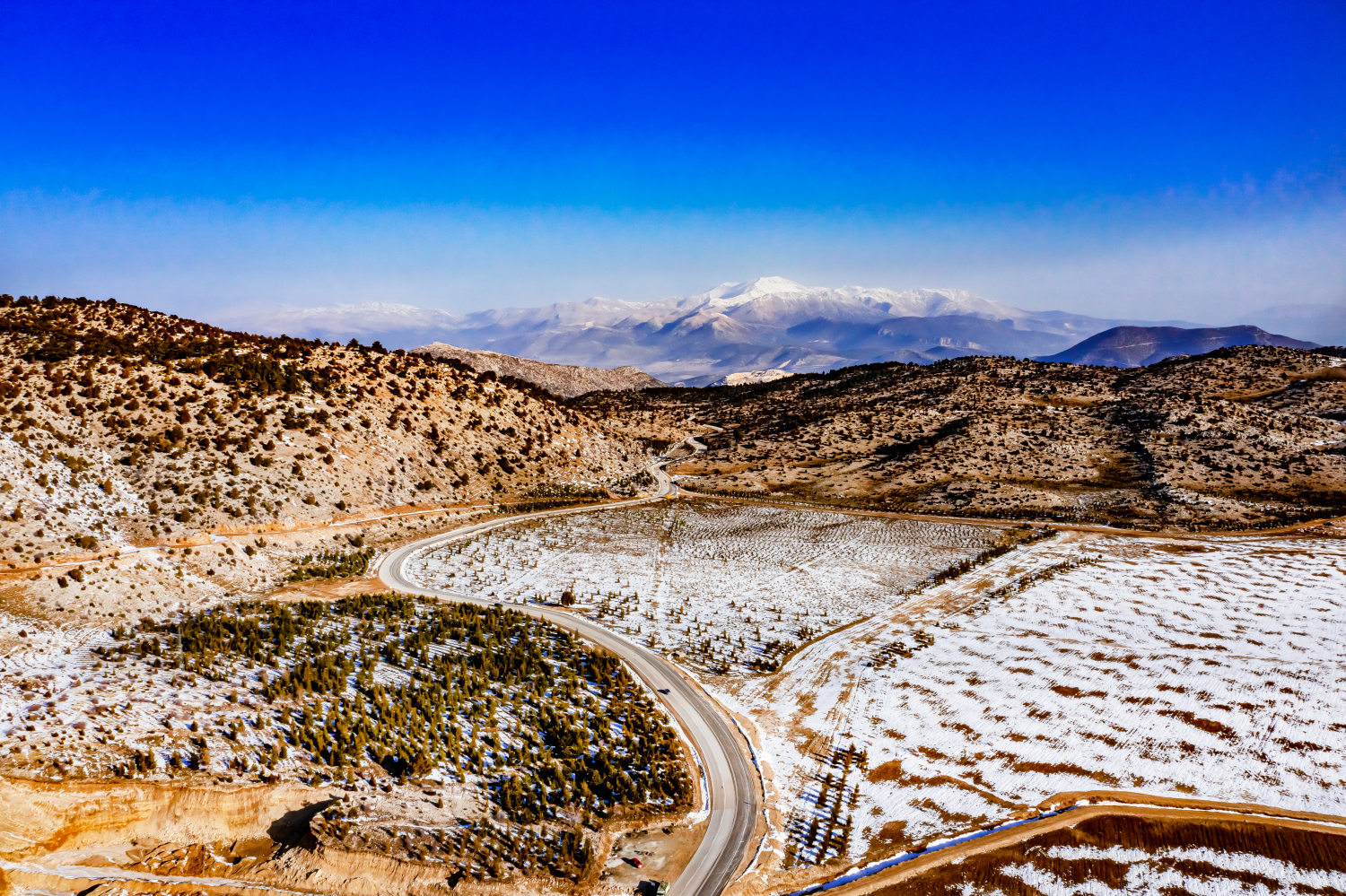
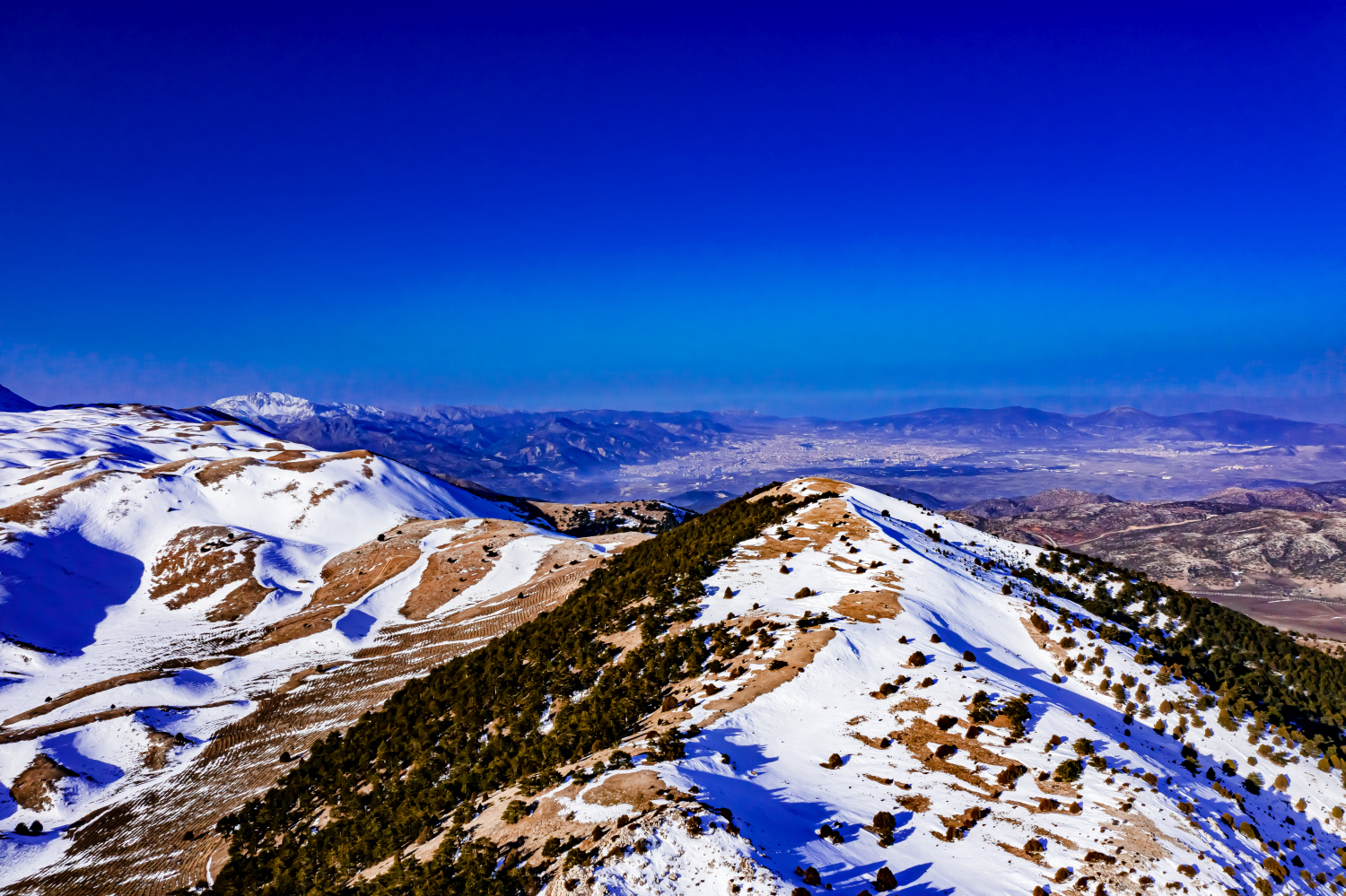
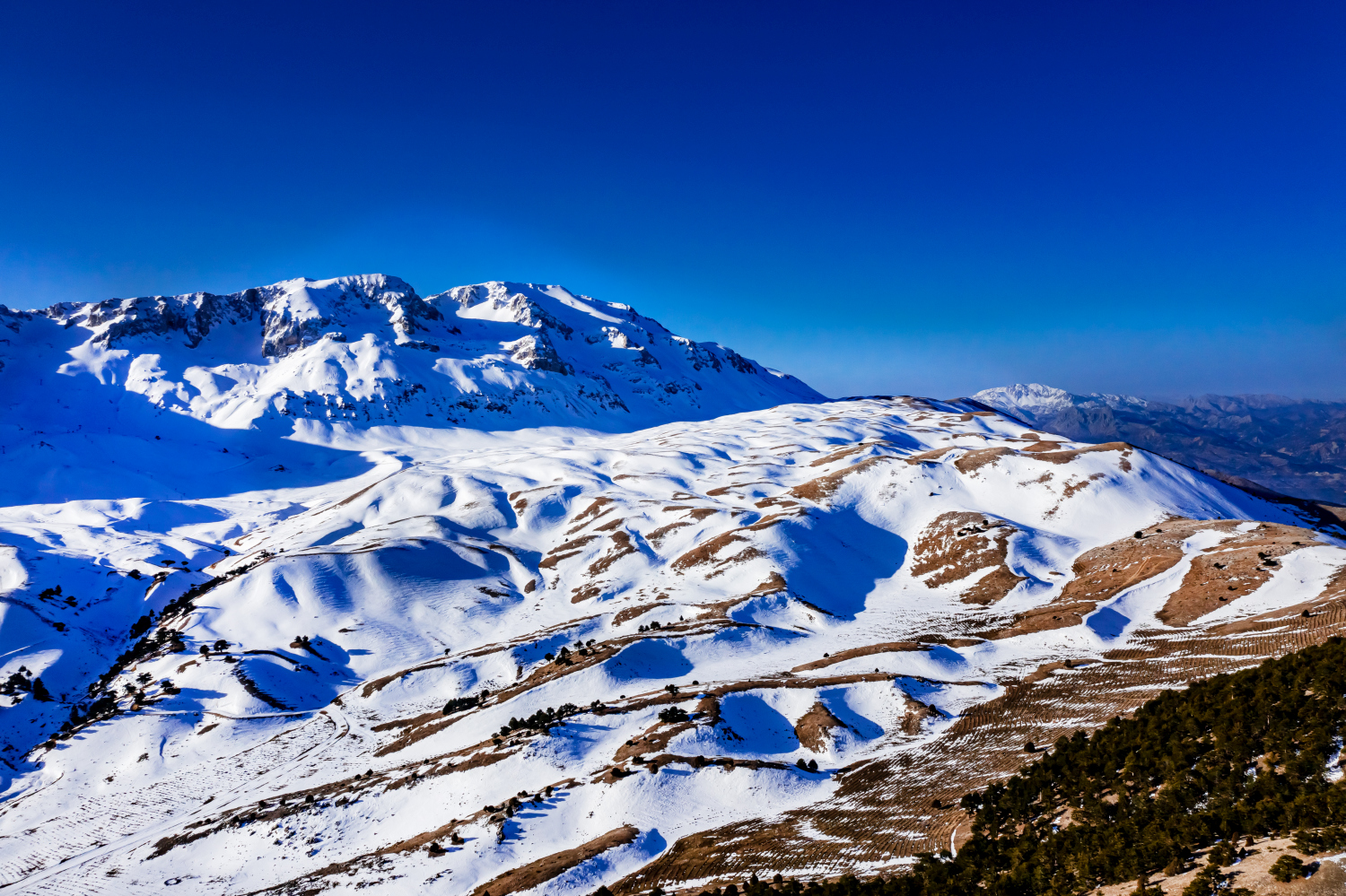
On the Davraz Dağı in Turkey, snow-covered slopes fill the picture. Darker bands of rock interrupt the white areas and make the course of the ridges visible. Particularly in oblique light, the staggering of the mountain sides can be followed all the way to the horizon.
The lines in the snow
On Davraz Dağı, even shallow hollows take on a distinct shape as soon as they are in the shade. The snow cover also connects the neighboring slopes into a large, coherent motif.
Snow unifies the color of many surfaces and thereby highlights individual contours more. A dark edge or clear path can suddenly break up the image, although it is less noticeable in a snow-free view. Transitions where the shape under the snow can still be read are particularly revealing. When selecting for publication, this seasonal state should remain evident. A winter photograph can be understood as a concrete view of the place and its condition at the time.
The graduation of the mountain ranges
The silhouette of a mountain range is a good way to start looking. First you notice the highest point, then the succession of saddles and flatter sections. In an oblique shot, this profile connects with the shapes in the foreground. A steeper perspective takes more interest in the surface of the slope. A direct comparison makes it understandable why a location can change significantly when the viewing angle changes, even though the recognizable heights in the background remain the same.
Shadow as an indication of height
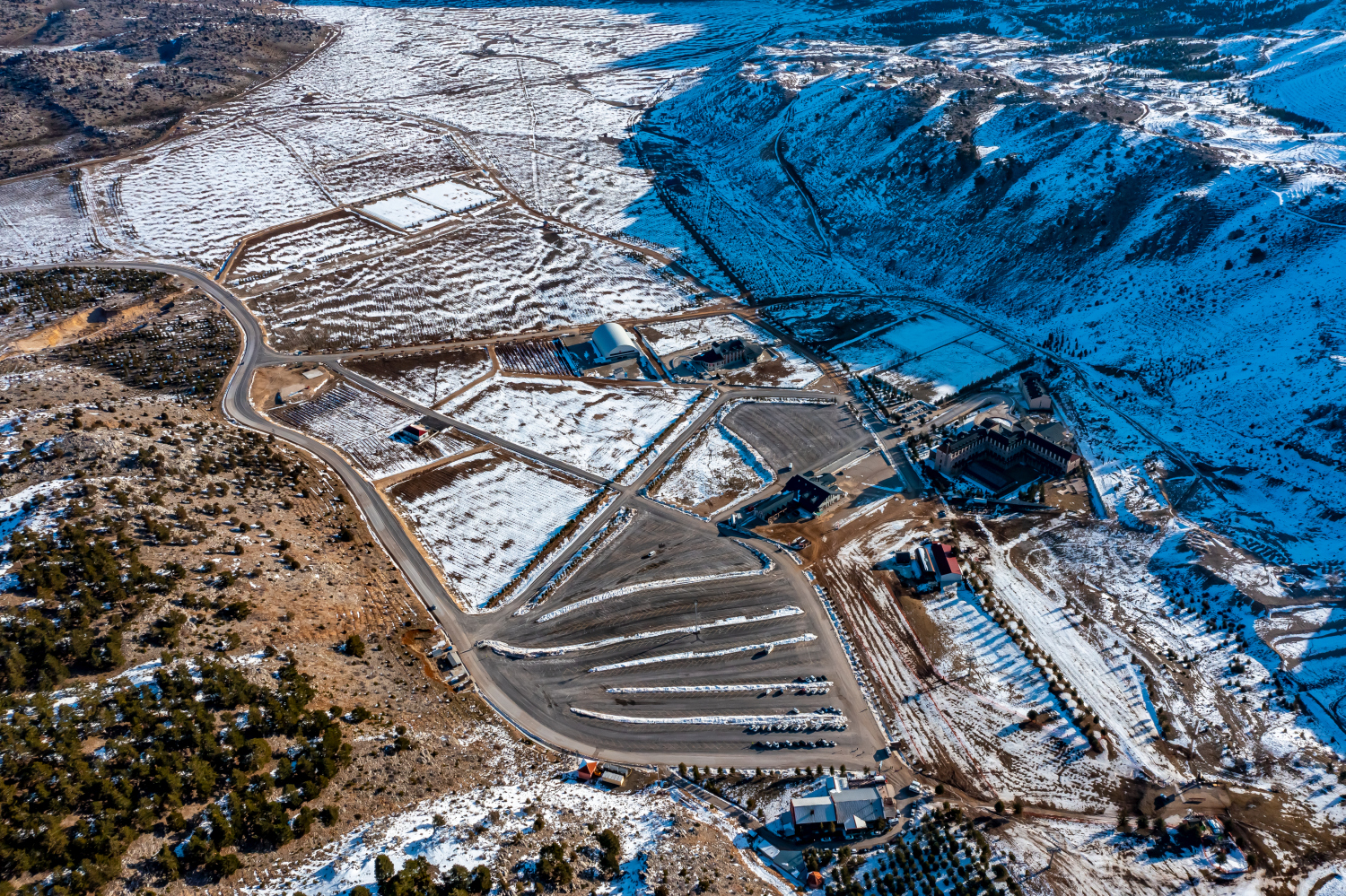
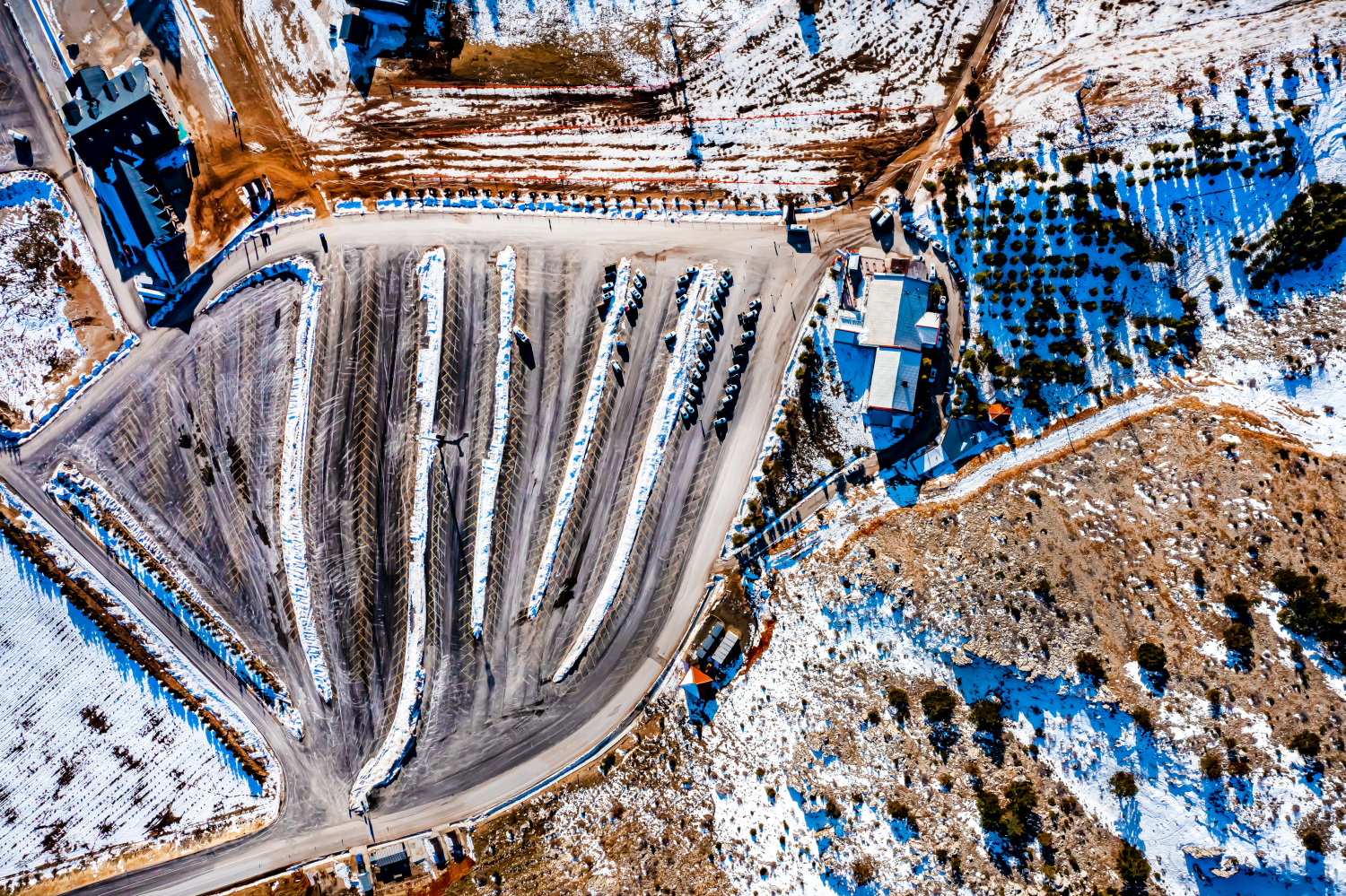
In the aerial photo, a shadow lies next to the object that casts it. This makes it possible to perceive the approximate height of a shape in relation to its surroundings, even if its side surface is barely visible. The effect depends heavily on sunlight. When selecting a shot, you can therefore check whether the shadow explains a detail or obscures an important area. A second view from a different direction complements the image where the dark area has little detail.
The distribution of blue tones
For a direct image comparison, use shot 8 and shot 7 from the gallery with 20 aerial photos. In the first excerpt, shades of blue play a smaller role. In the second shot, blue areas take up more space. Blue can extend over a large contiguous area or only appear in individual parts. What also counts for the effect is whether these areas extend to the edge of the picture or surround the main subject.
According to camera data, Shot 1 and Shot 20 were taken on February 28, 2021. There is a gap of around 10 minutes between the two images. The exposure time was 1/1000 second for the first of the images mentioned and 1/800 second for the second.
A moving view is also available. Under Aerial videos you can find the clip “Davraz Dağı in Turkey from the air”. The linked preview leads to inclusion in the aerial photographer's portfolio on Adobe Stock.
Select landforms for a landscape portrait
When publishing about a mountain range, the direction of view should be stated in the caption, as long as it can be determined with certainty. The same ridge can look very different from one valley than from the other side. For the aerial photographer, the question arises when planning whether the location in the foreground or the shape in the distance should be the deciding factor. If a close and a distant reference point is retained in the image, even readers without local knowledge can understand the gradation of the terrain.
Related motifs in the aerial photo archive
The article Bulgaria – Rila Mountains offers another perspective. In Bulgaria's Rila Mountains, forested ridges extend to more open, rocky heights. In the gallery Goat Castle Torbali there is a different focus. The ruins of the Goat Castle near Torbalı follow a barren ridge.
Aerial photos of Davraz Dağı – Türkiye
Your aerial photographer across Europe
Request a free quote