 F4LUFTBILDER
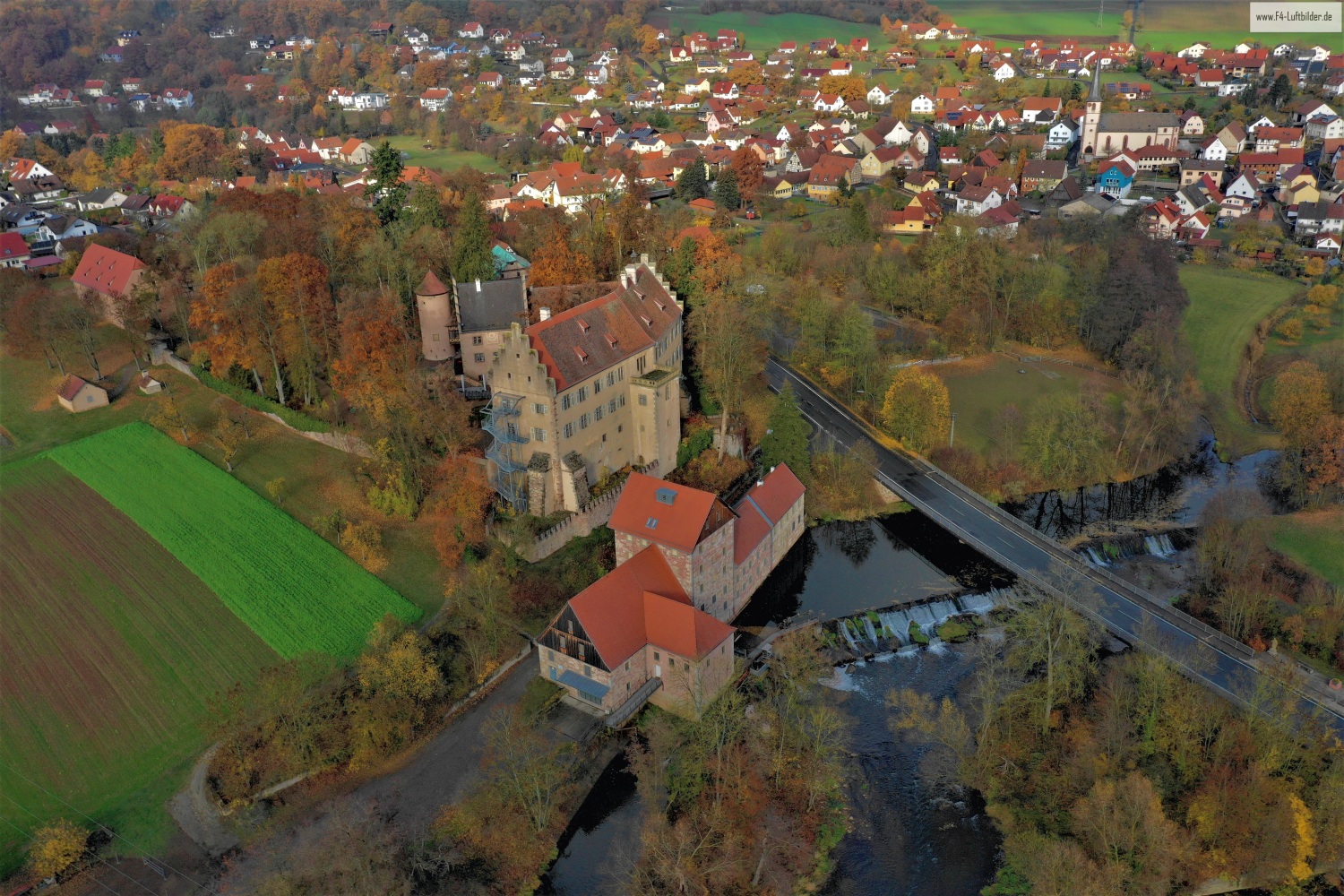
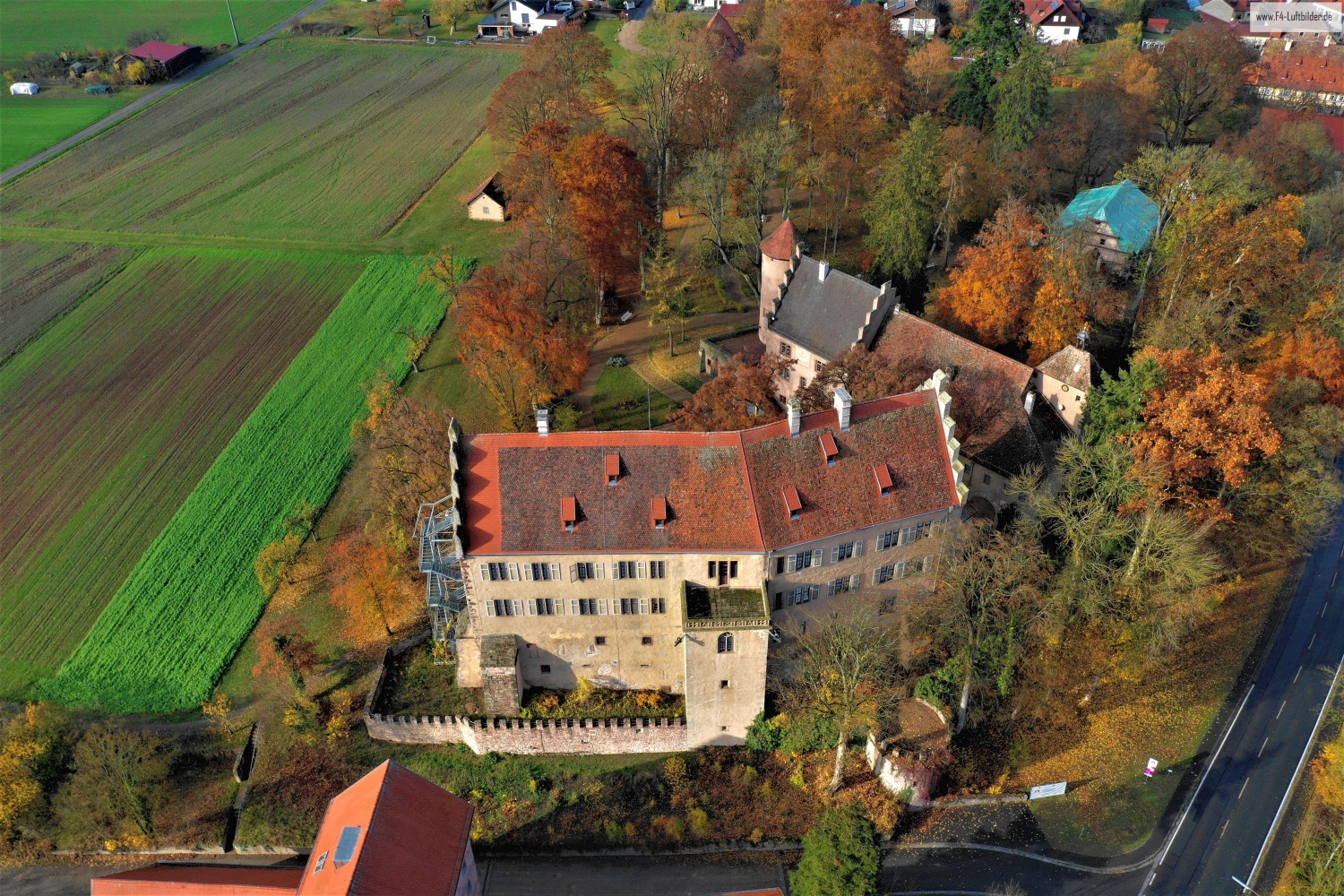
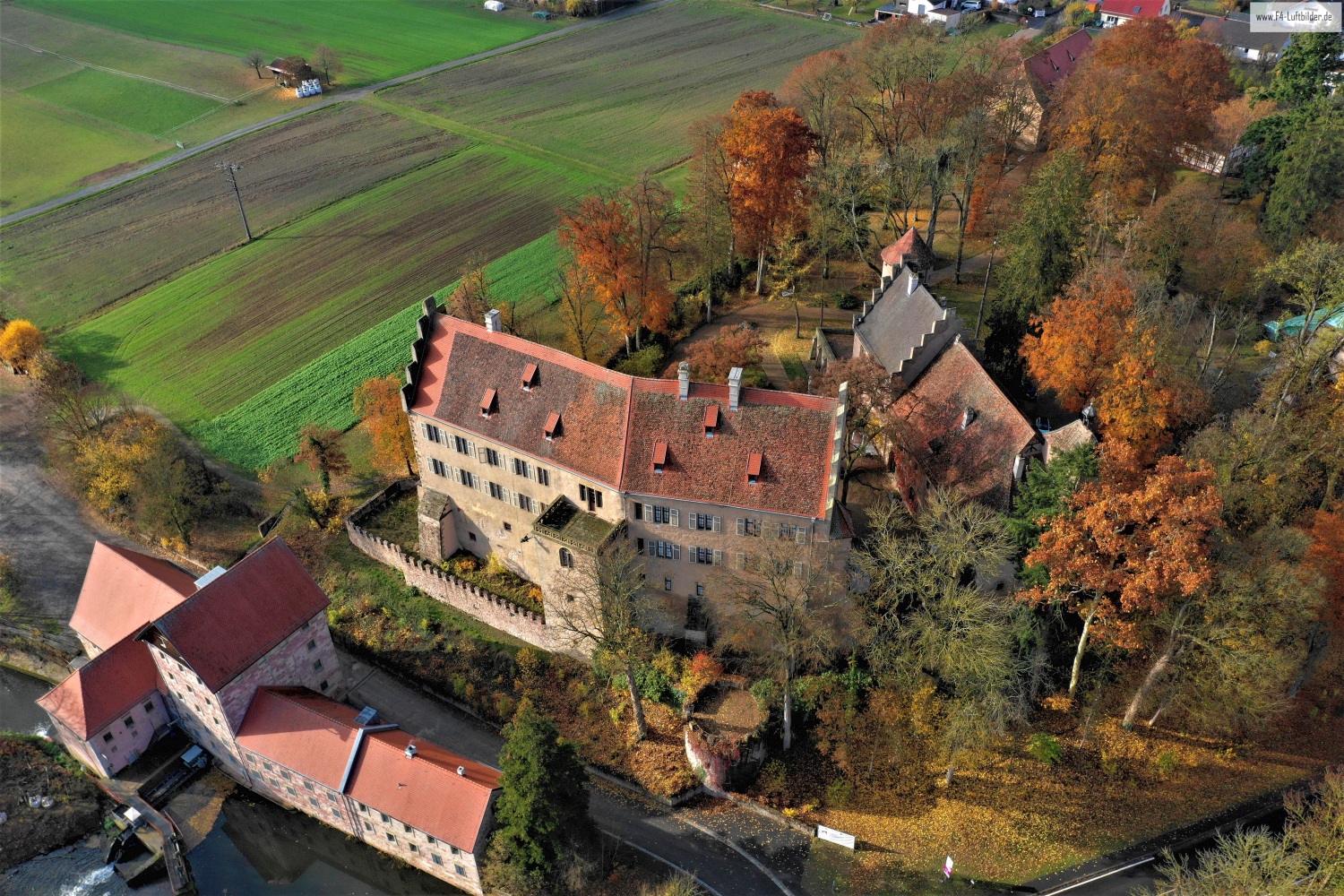
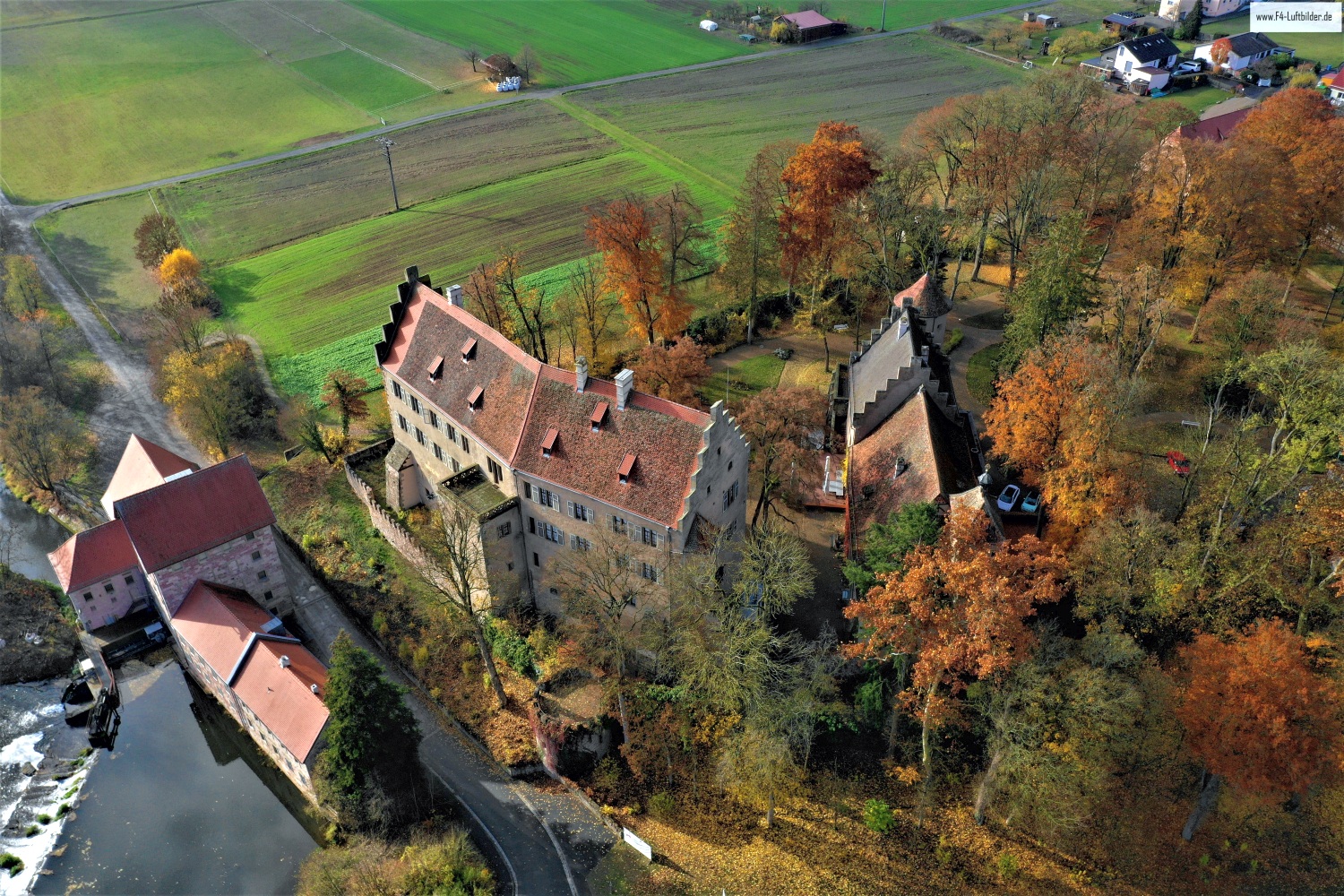
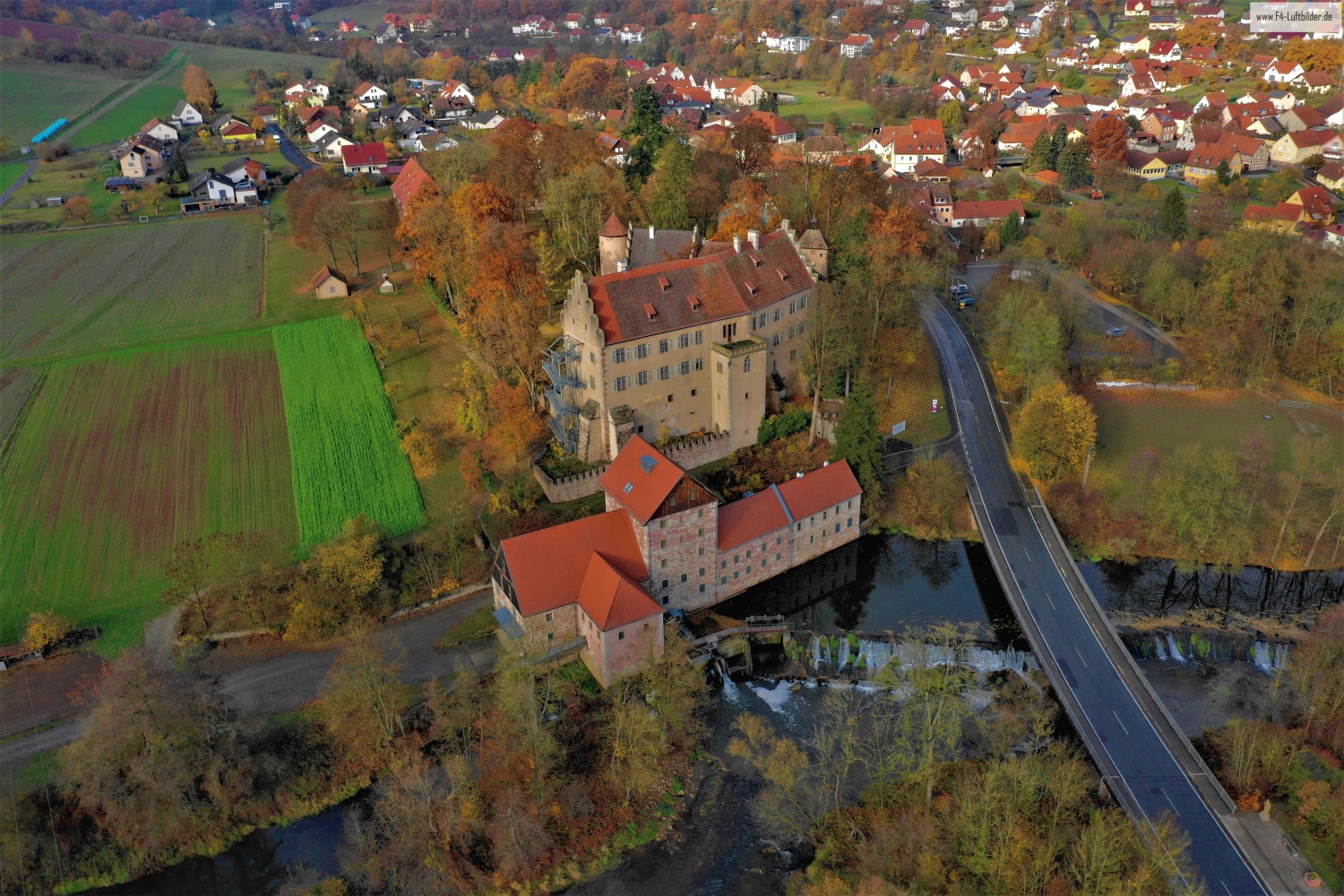
Aschach Castle in the autumn park
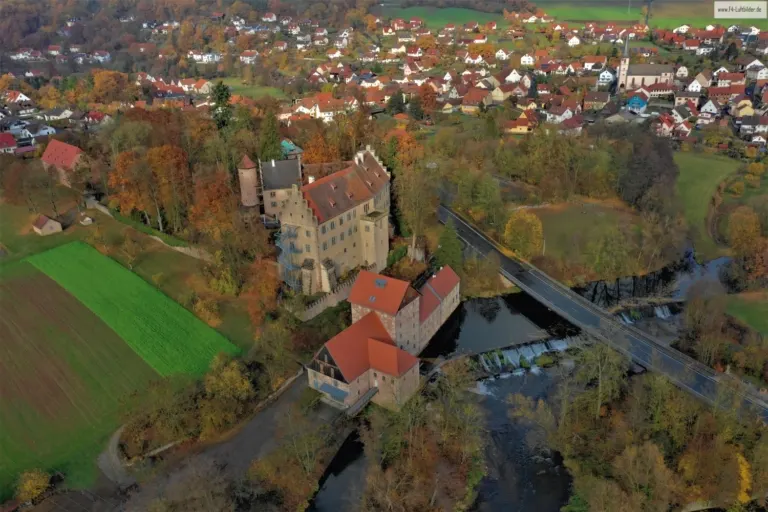
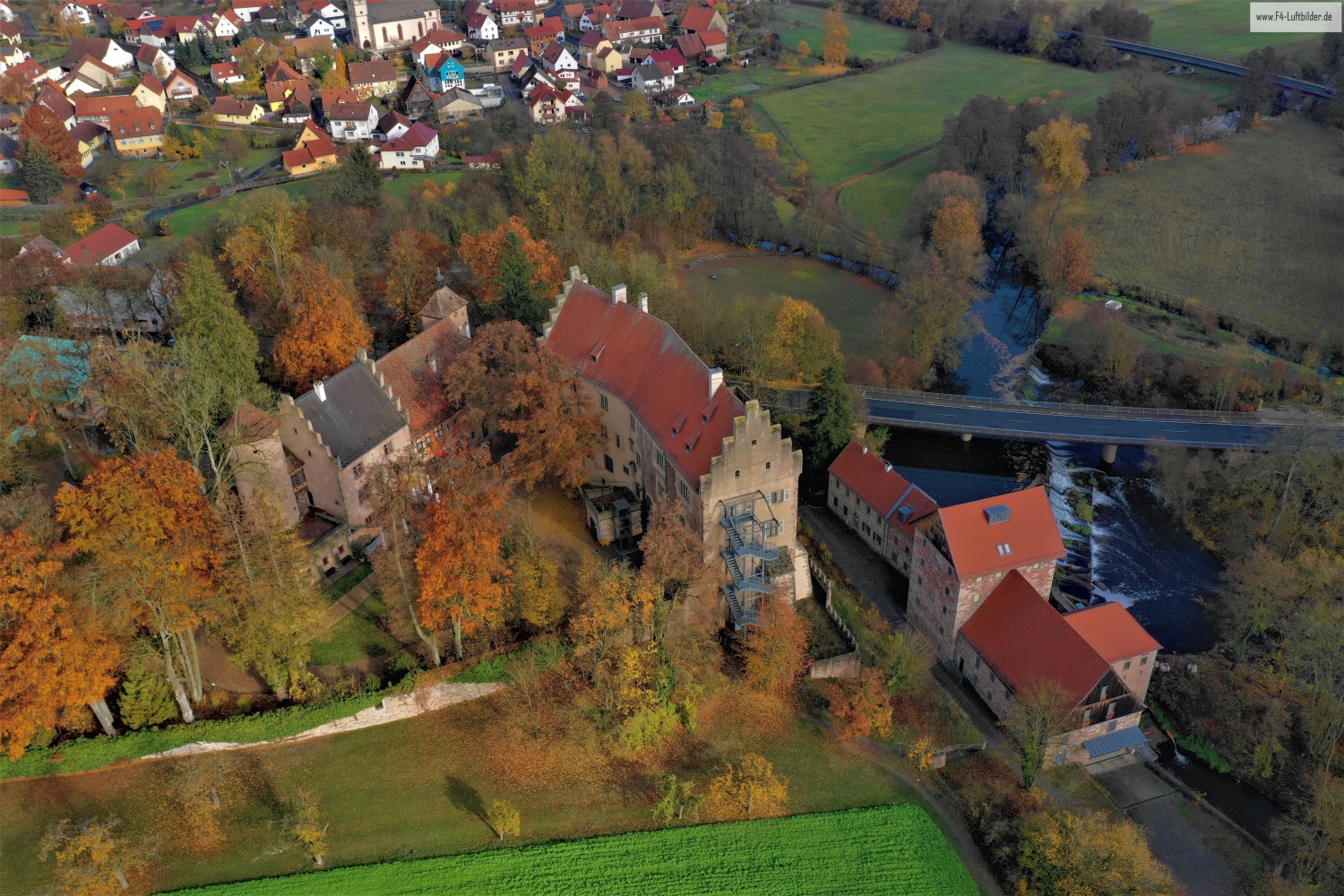
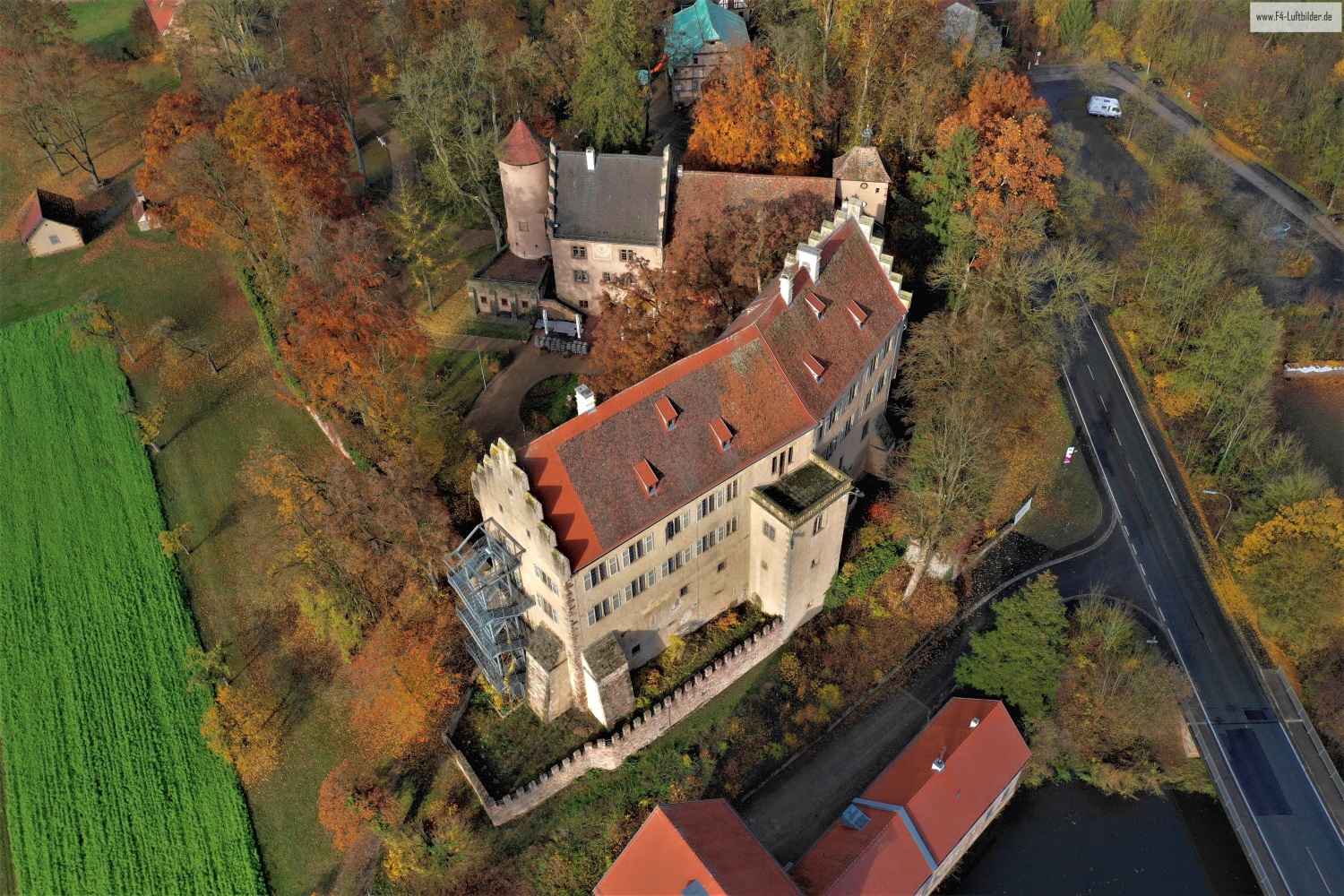
In Aschach, the bright castle wings stand out from the brown and gold crowns. In the narrower image, the roof shapes, courtyard and adjacent paths become clear. The further view places the museum complex in the small settlement and the open landscape behind it.
Castle wings and park paths
The park at Aschach Castle frames the building in very different ways depending on the perspective. Where paths lead towards the castle, the building wings emerge as a common focal point.
When looking at a castle, it is worth looking at the roofs and the spaces between them separately. A large roof wing initially attracts attention. In addition, a courtyard or a narrow passage can show much better how the parts of the system are connected. An oblique aerial photo also gives an idea of their altitude. With a narrower section, a piece of outer wall or slope maintains orientation and allows the building to remain visible in the context of its location.
The open spaces between the buildings
In a green area, the view from above shows, in addition to the trees, primarily the open spaces. A path can change direction in an open area, and dense vegetation can almost completely obscure a building. The system is easier to understand when they interact together than through individual trees or roofs. If you want to explain a park area in a picture, look for a place where the path, open space and vegetation come together. It offers an easy-to-read introduction to the larger floor plan.
Courtyards and entrances
In a courtyard, the relationships between buildings change. What appears from the outside to be a single long building can actually wrap around several open areas. In a steep aerial view, the passageways, the corners and the orientation of the adjacent roofs become understandable. For a caption, a specific reference to the visible side of the courtyard is often more helpful than a list of all the buildings. This means the viewer can recognize the spatial connection themselves and find it again in other images.
Warm tones within the series
Among the 7 photos in the gallery, shot 6 and shot 3 provide a good starting point for the comparison. In the second view, warm reds and browns have more weight than in the first. Red-brown and yellowish areas are particularly noticeable next to cooler surfaces. What is interesting when comparing is whether they are concentrated on a single object or appear spread out across the entire view.
The camera captured November 11, 2018 for shot 7 and shot 4. The time interval between these two views is approximately one minute. ISO 100 and an exposure time of 1/320 second are recorded for both files.
Communicate architecture and location together
For a post about a building, two captions can fulfill very different tasks. The first names the system and explains its location, the second leads to a visible component. Historical construction phases or previous uses can hardly be determined from the roof color and current wall edges alone. However, an aerial photographer can show precisely which parts will actually be visible in the later photo. For a guide or local chronicler, this separation makes it easier to work with people who know the local building history.
More aerial photos for comparison
Two further articles invite comparison. In the first, Bad Brückenau, a different detail is in the foreground. In Bad Brückenau, buildings and well-maintained green spaces come close together. Afterwards you can visit Neuhaus am Inn Castle. Neuhaus am Inn Castle stands on a narrow area bordered by water.