 F4LUFTBILDER
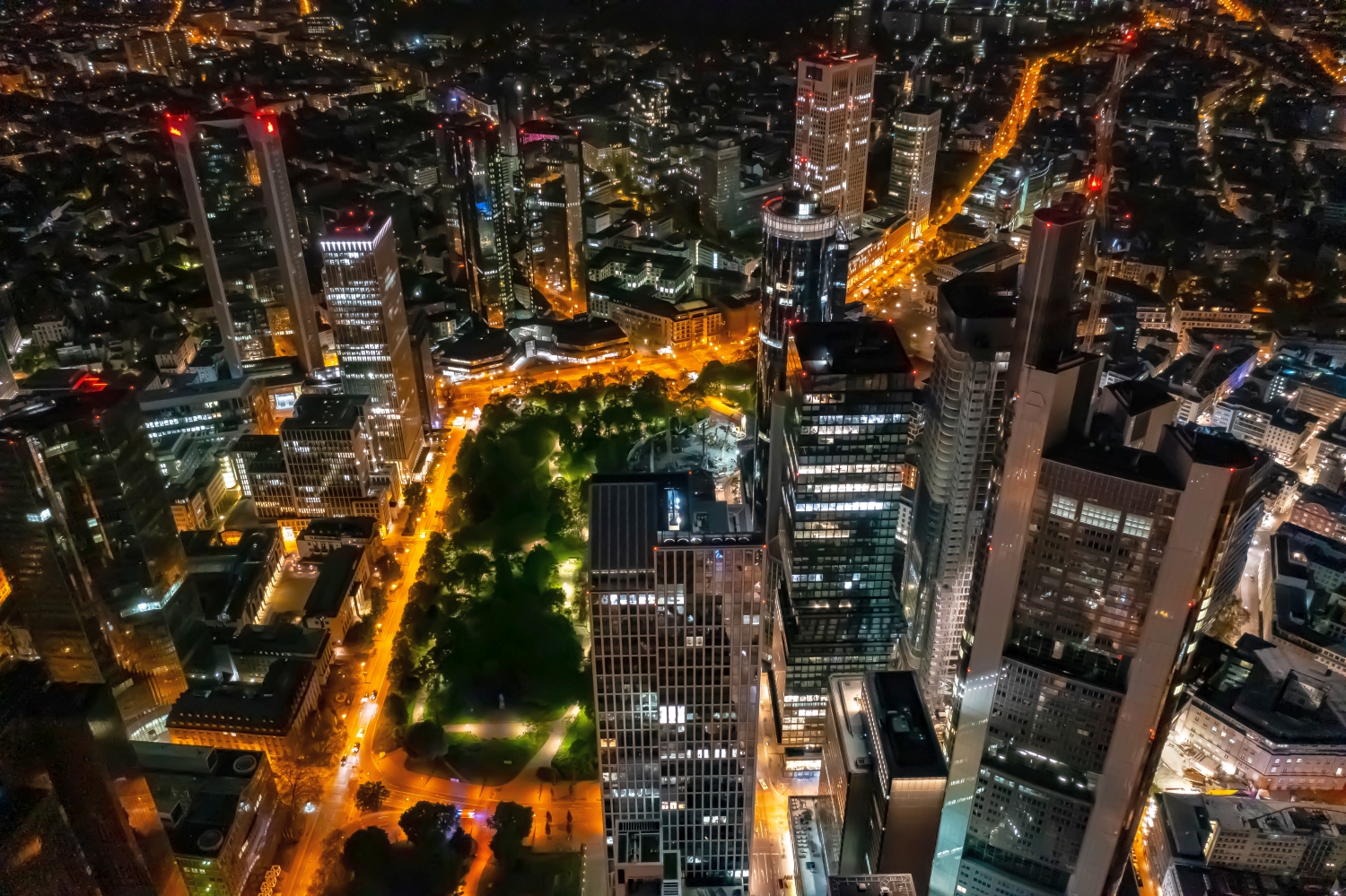
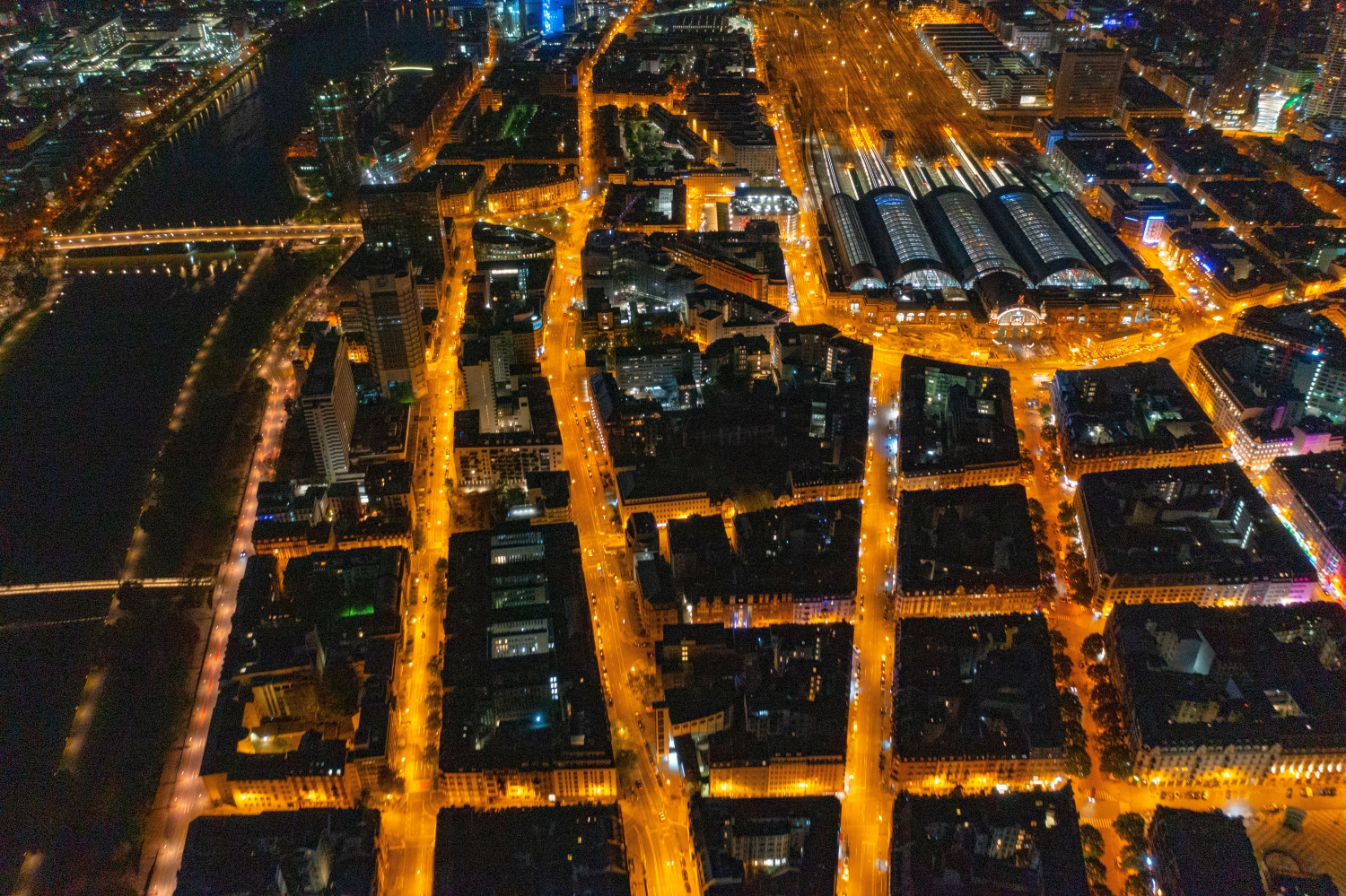
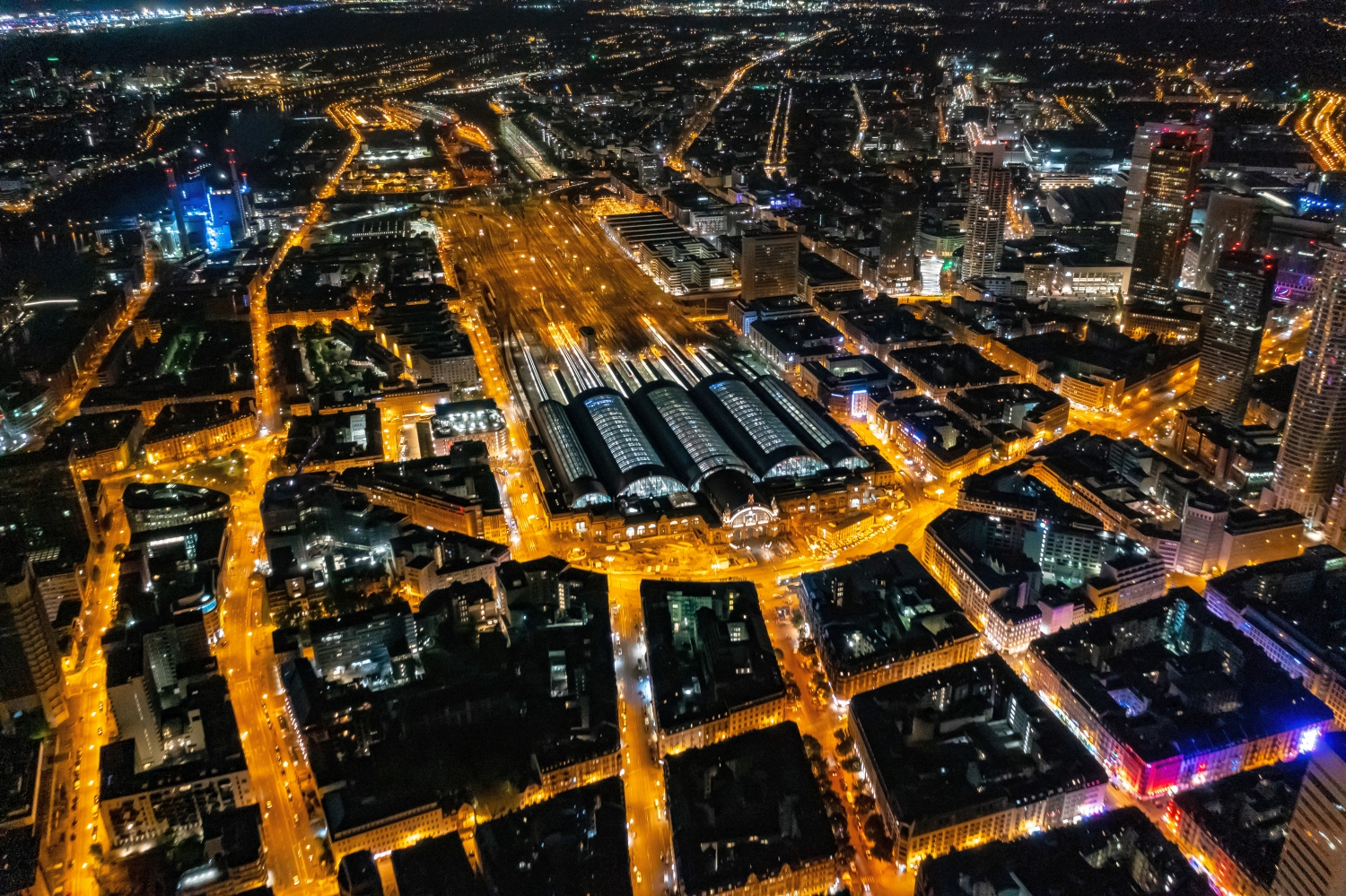
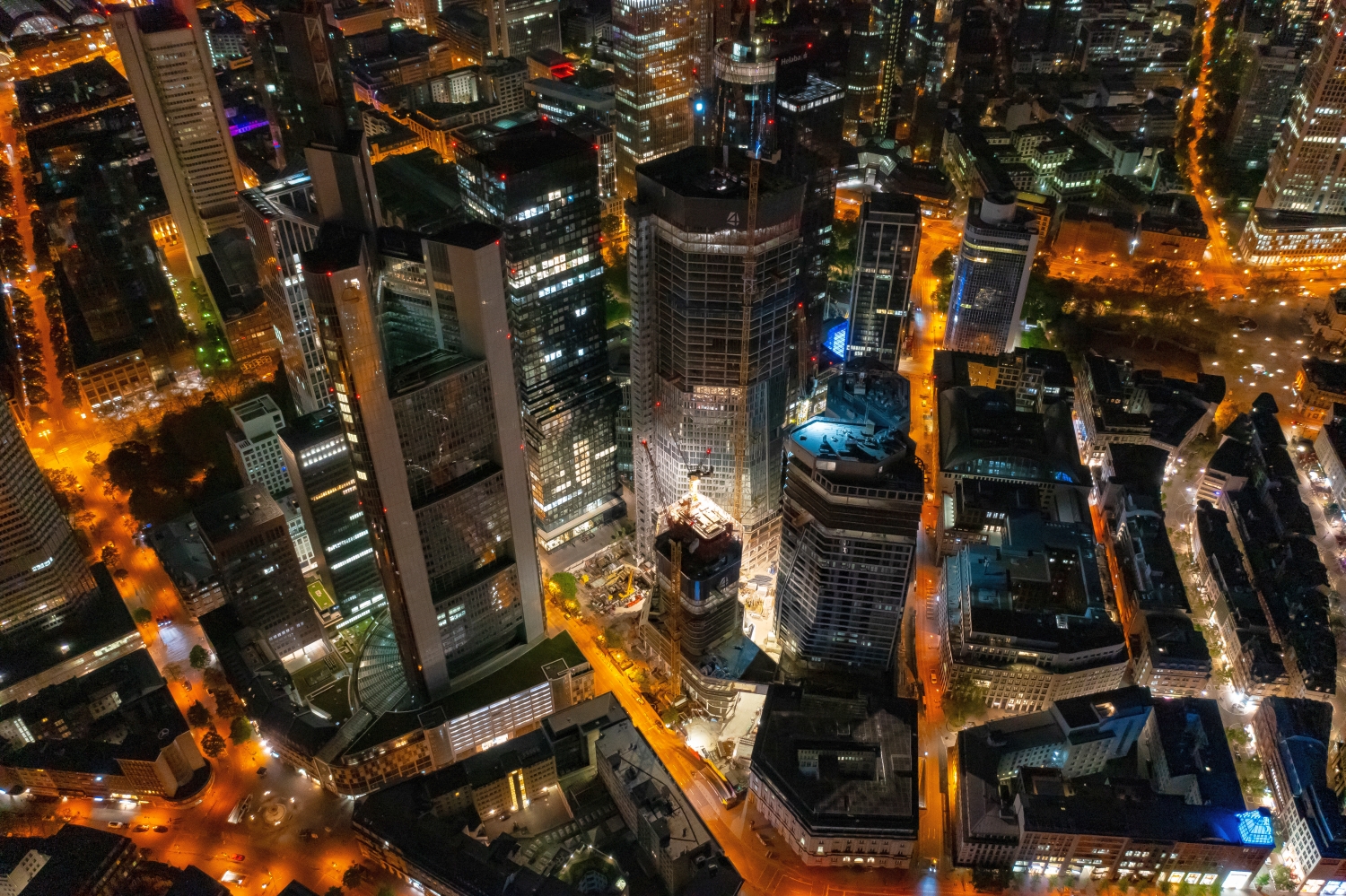
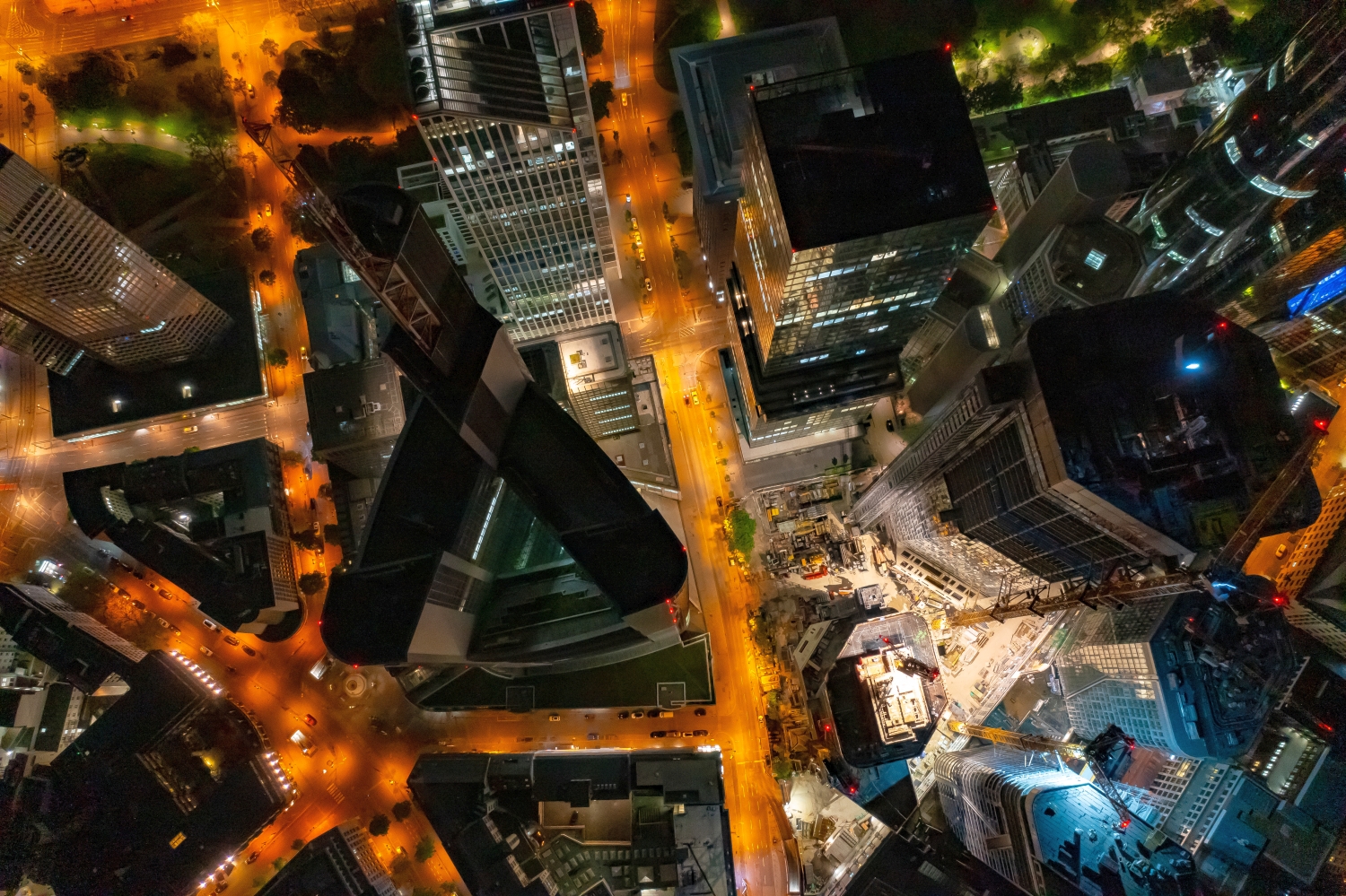
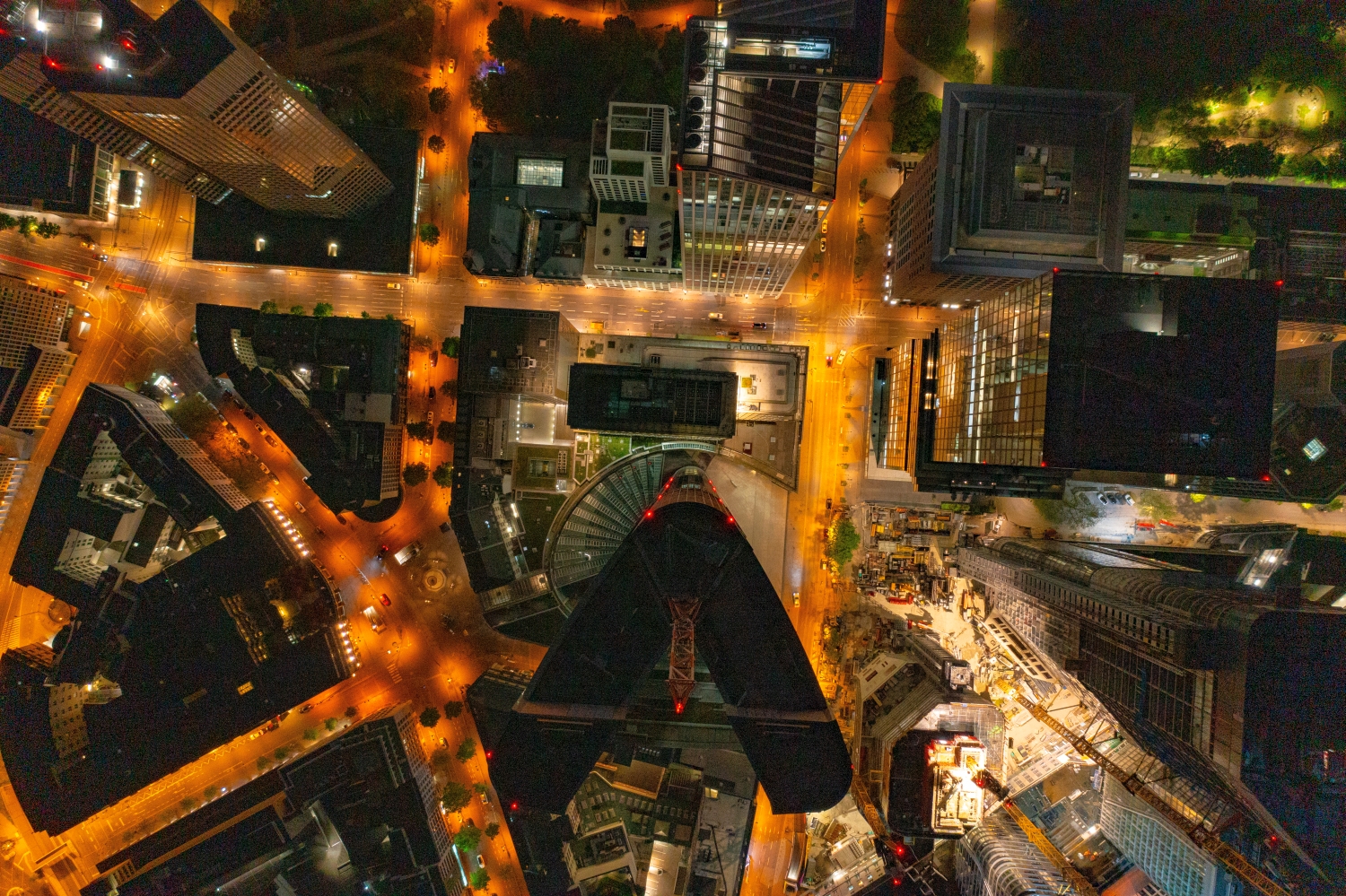
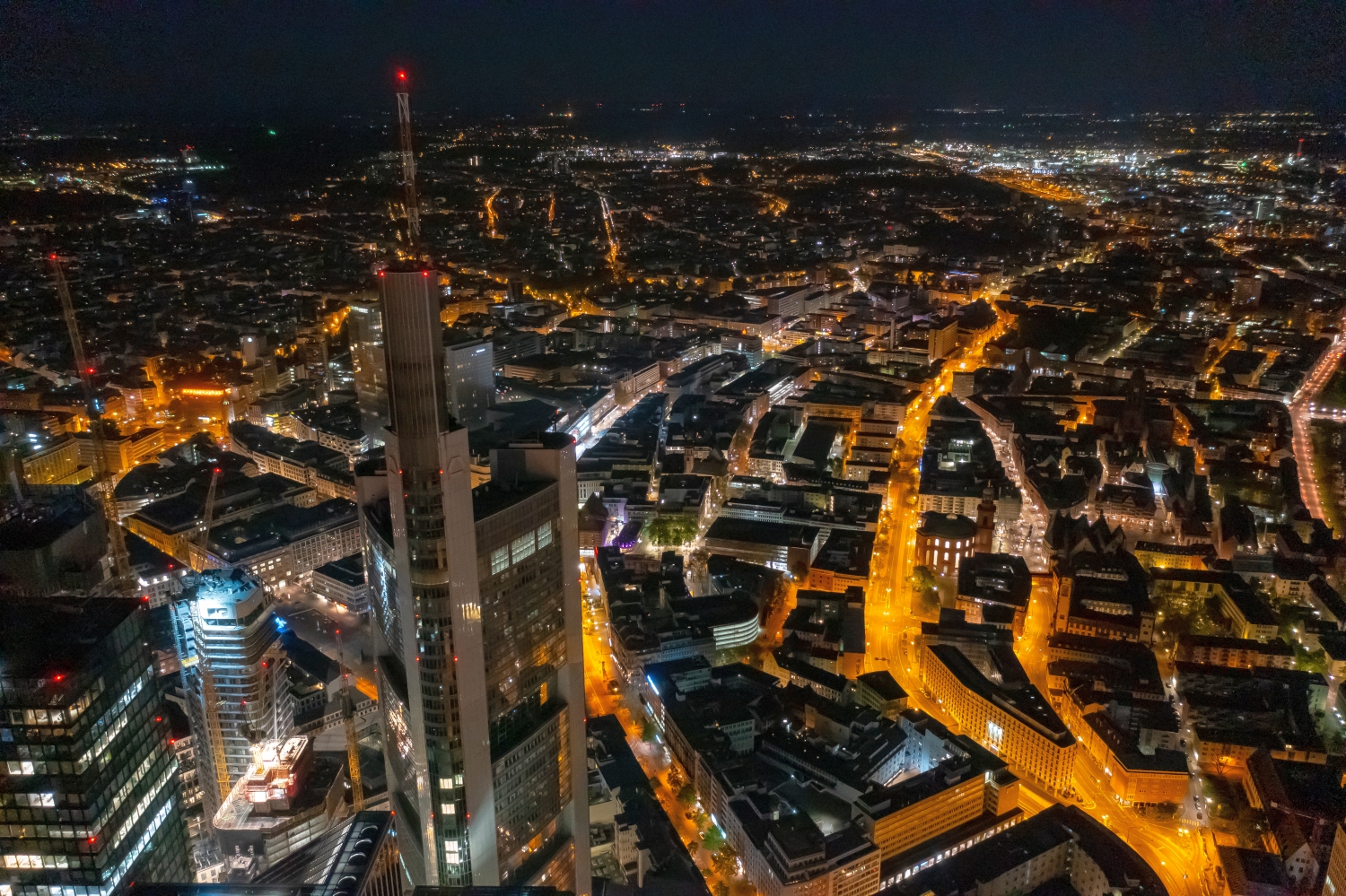
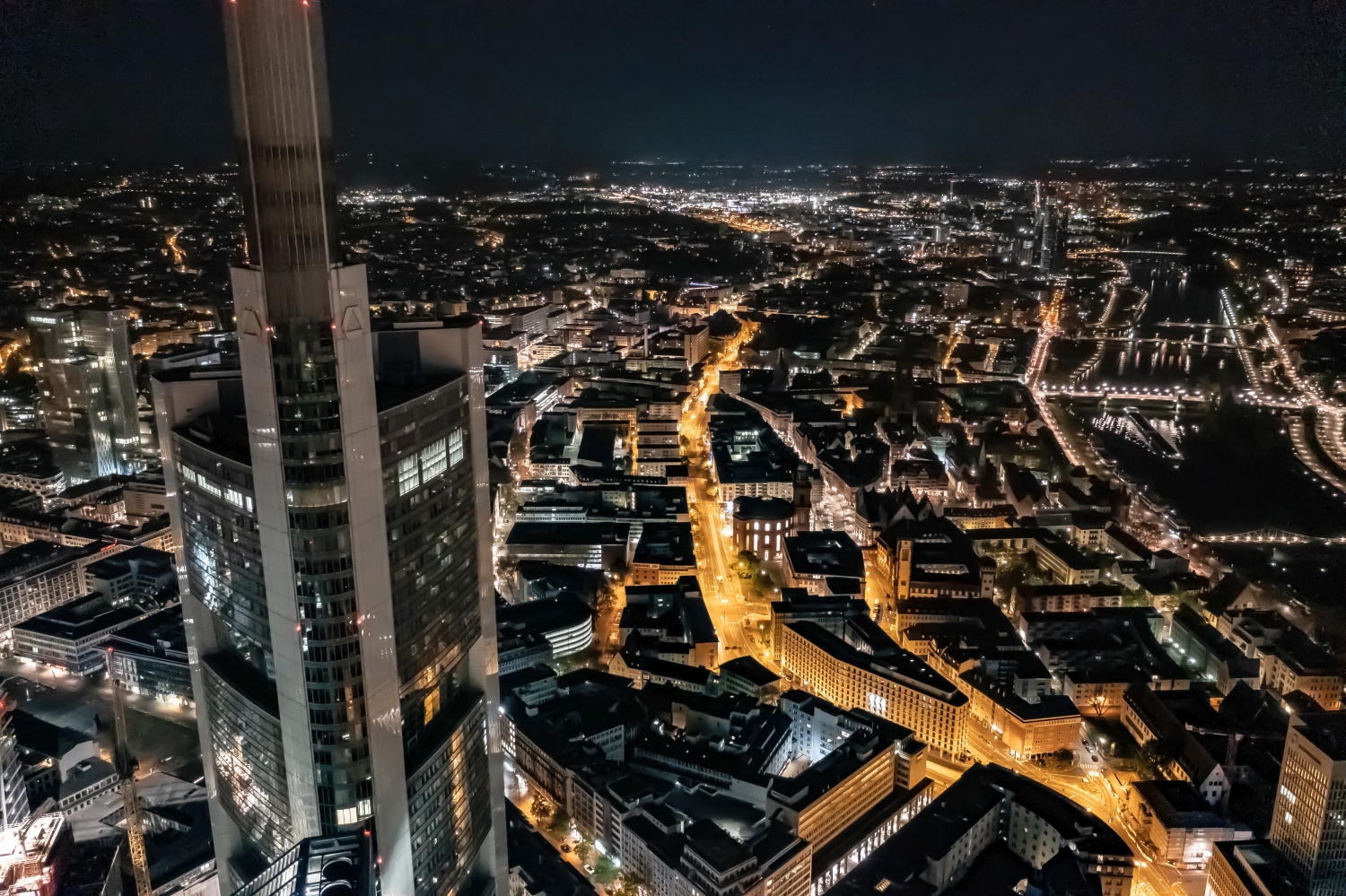
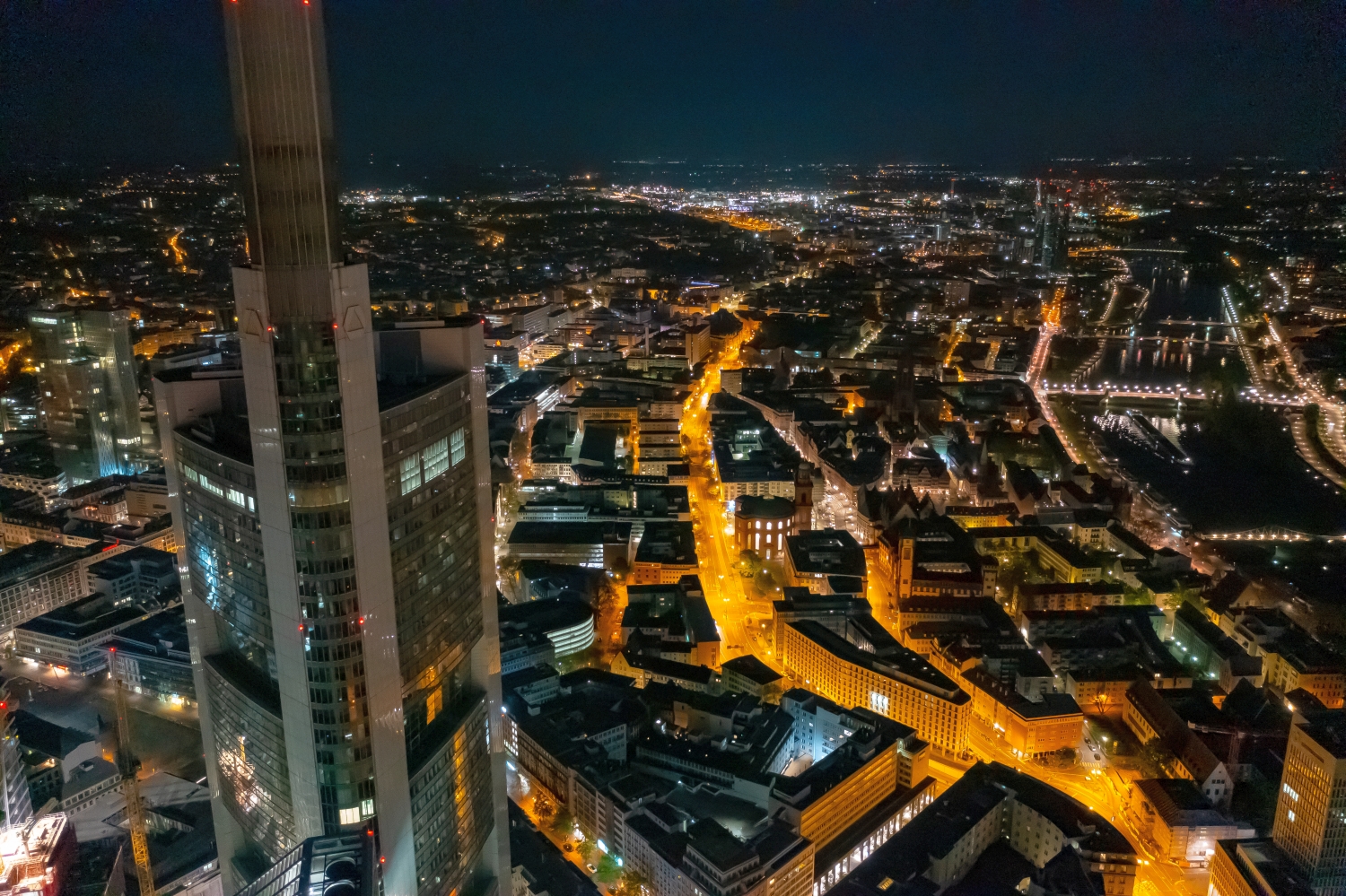
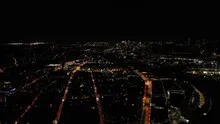
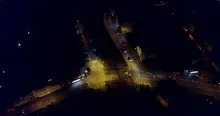
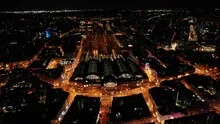
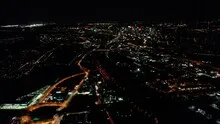
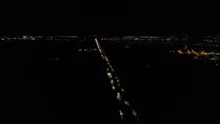
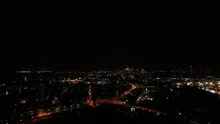
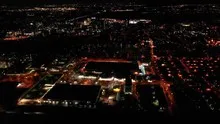
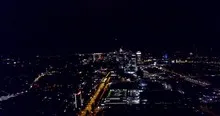
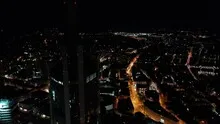
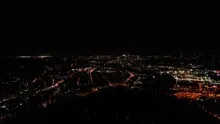
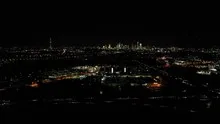

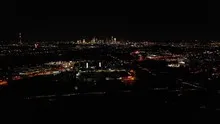
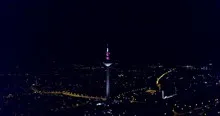
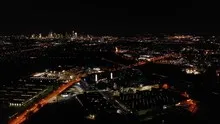
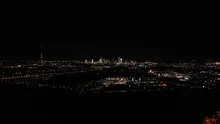

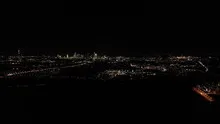
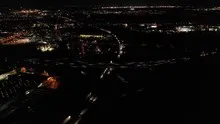
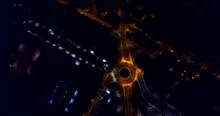
The light network of Frankfurt am Main
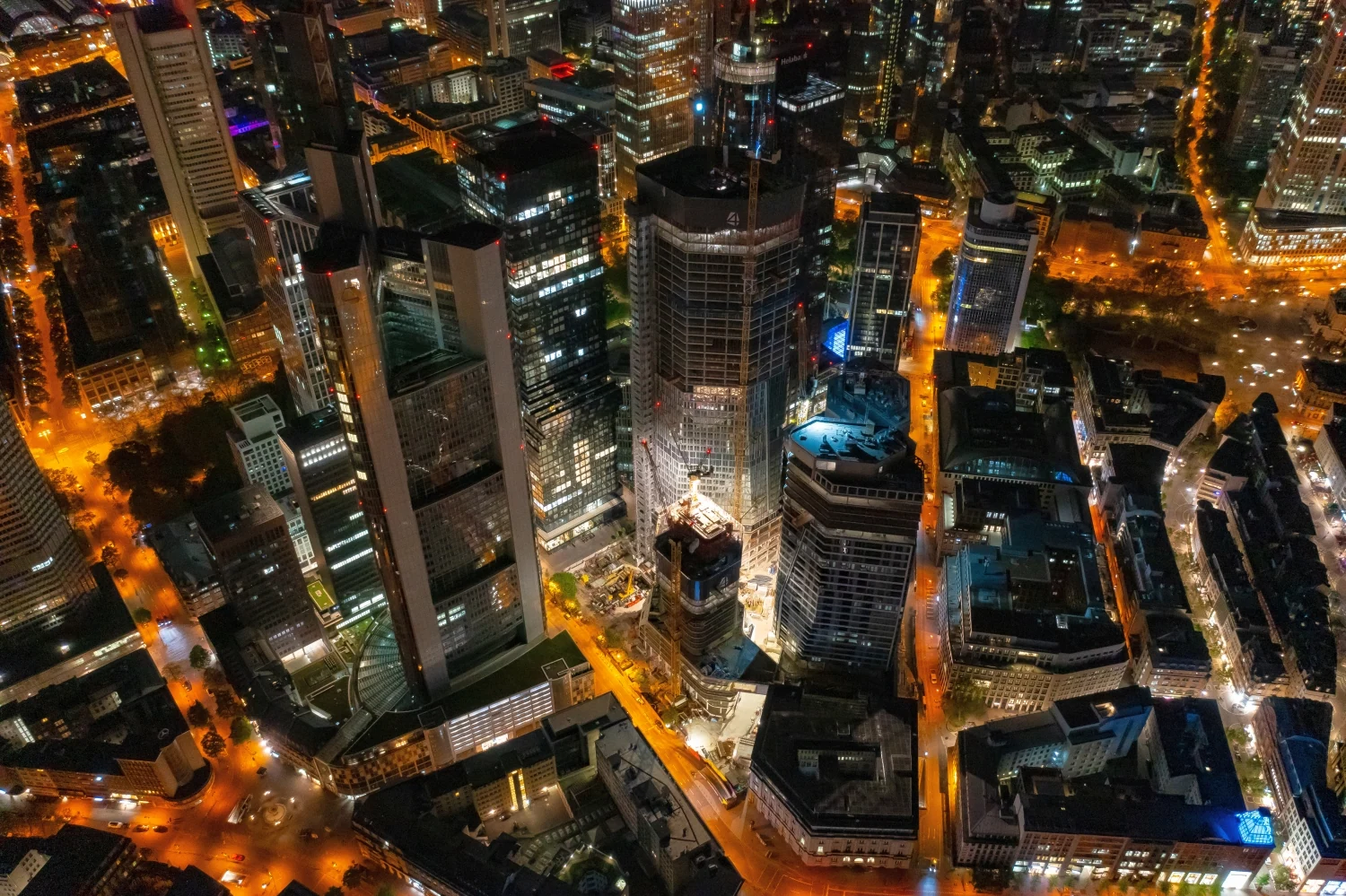
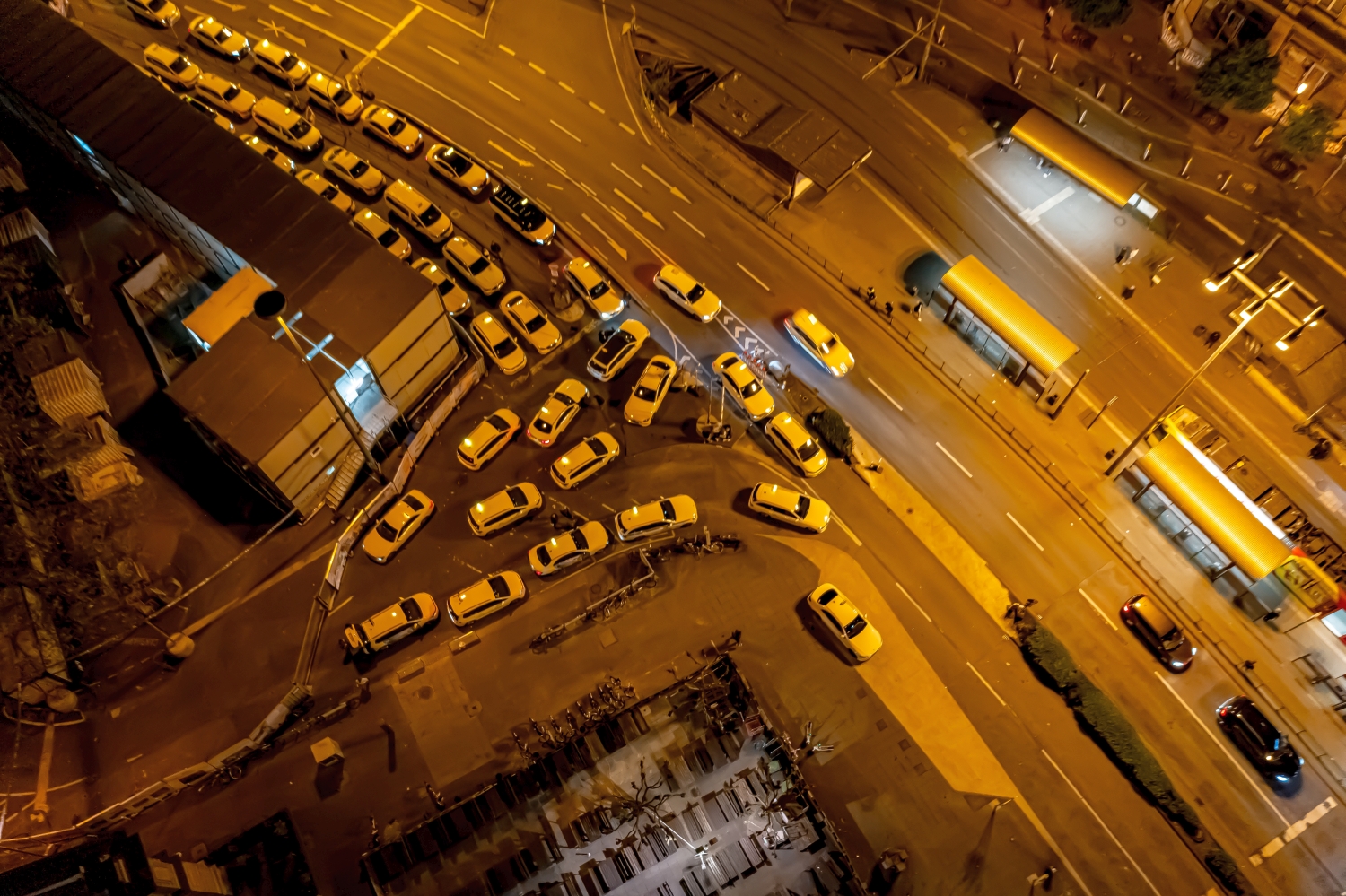
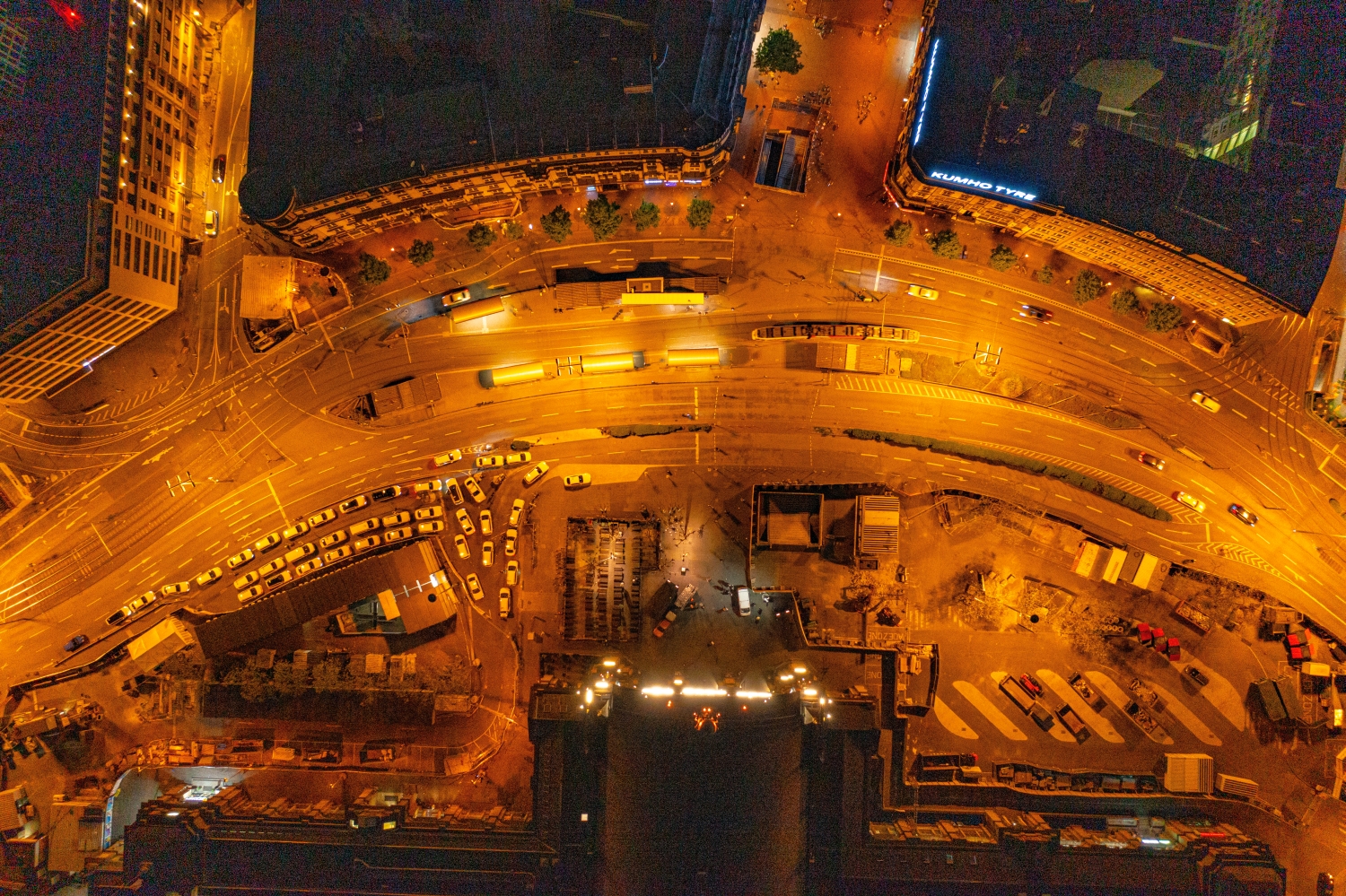
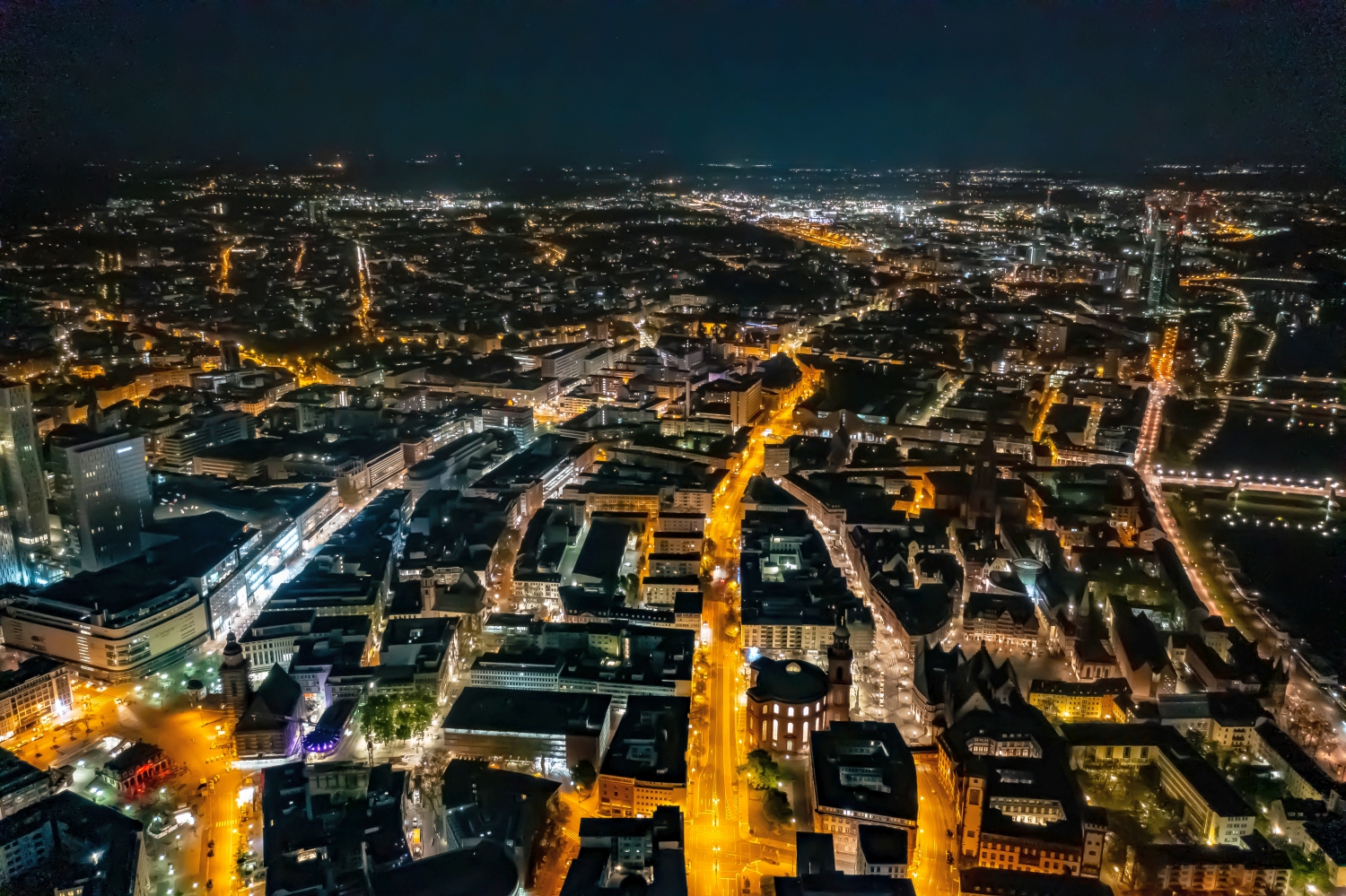
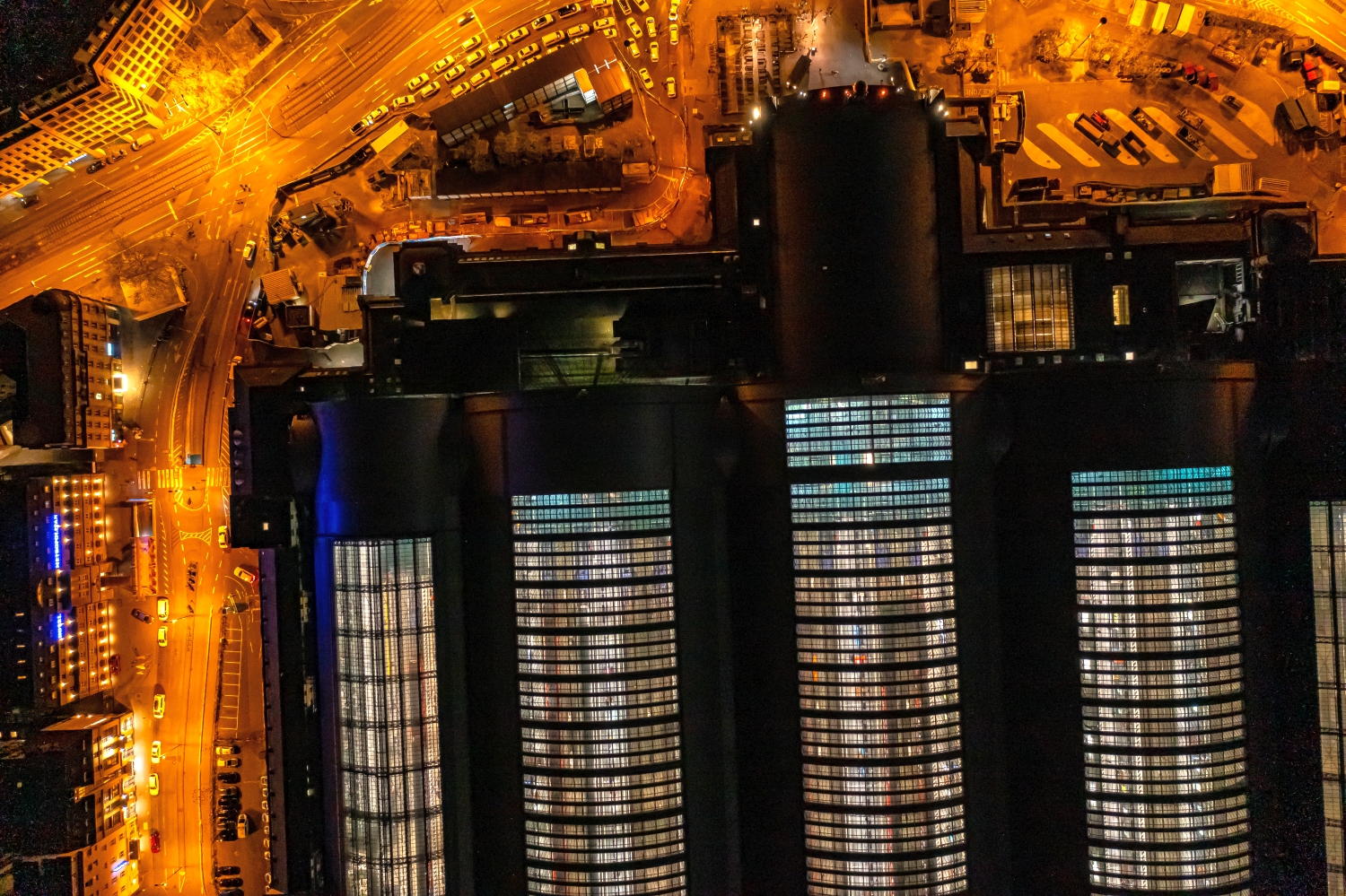
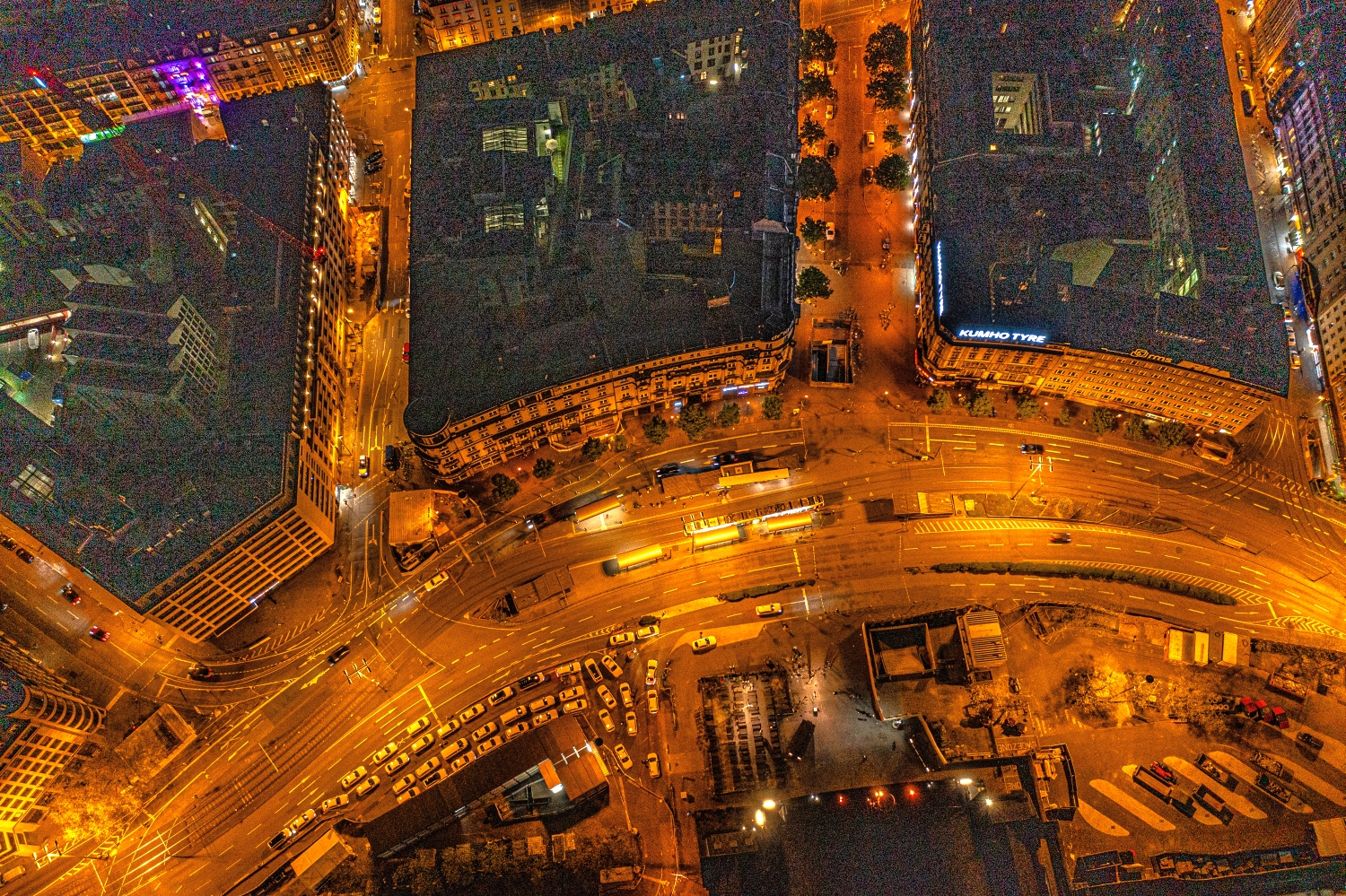
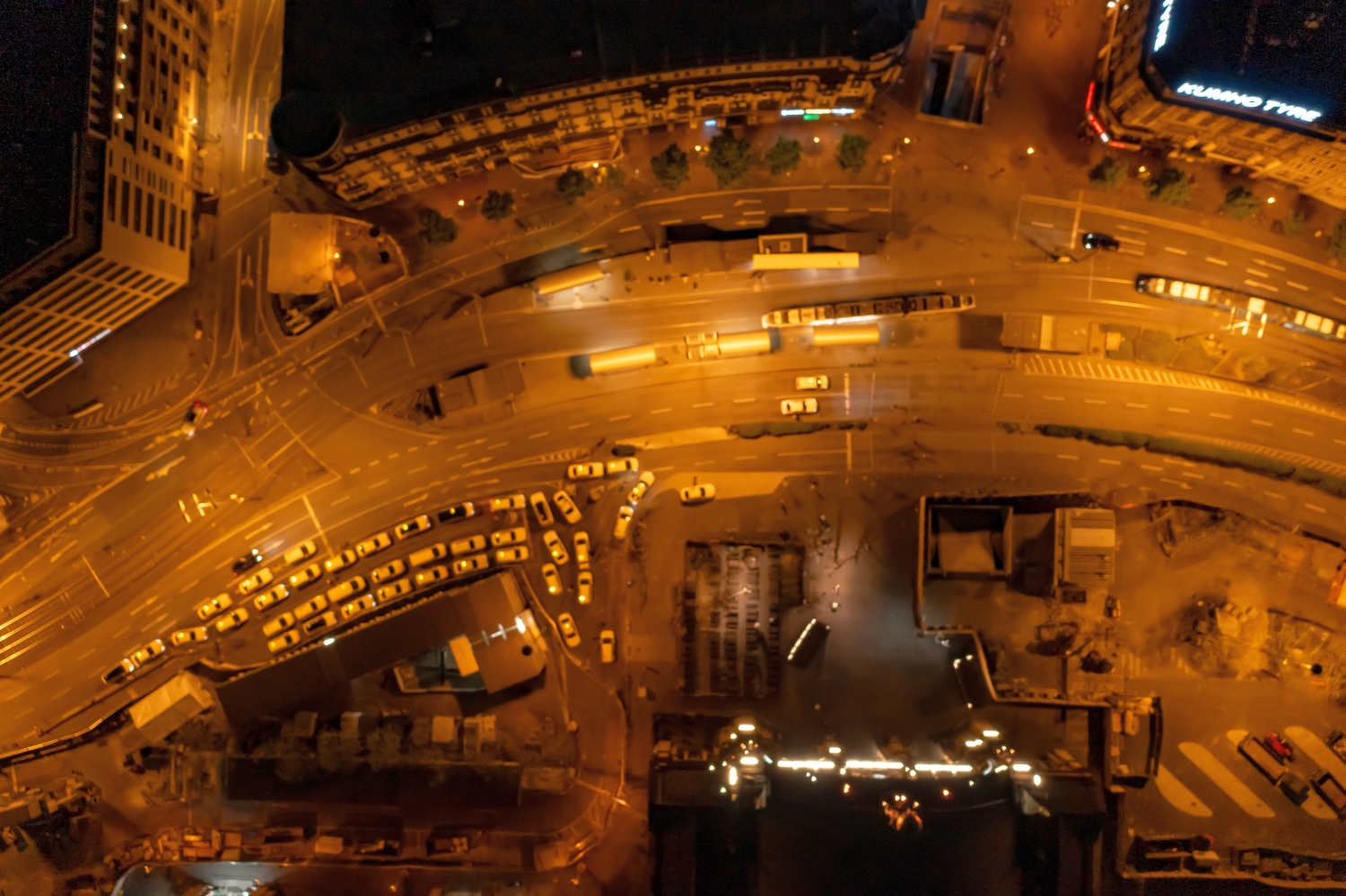
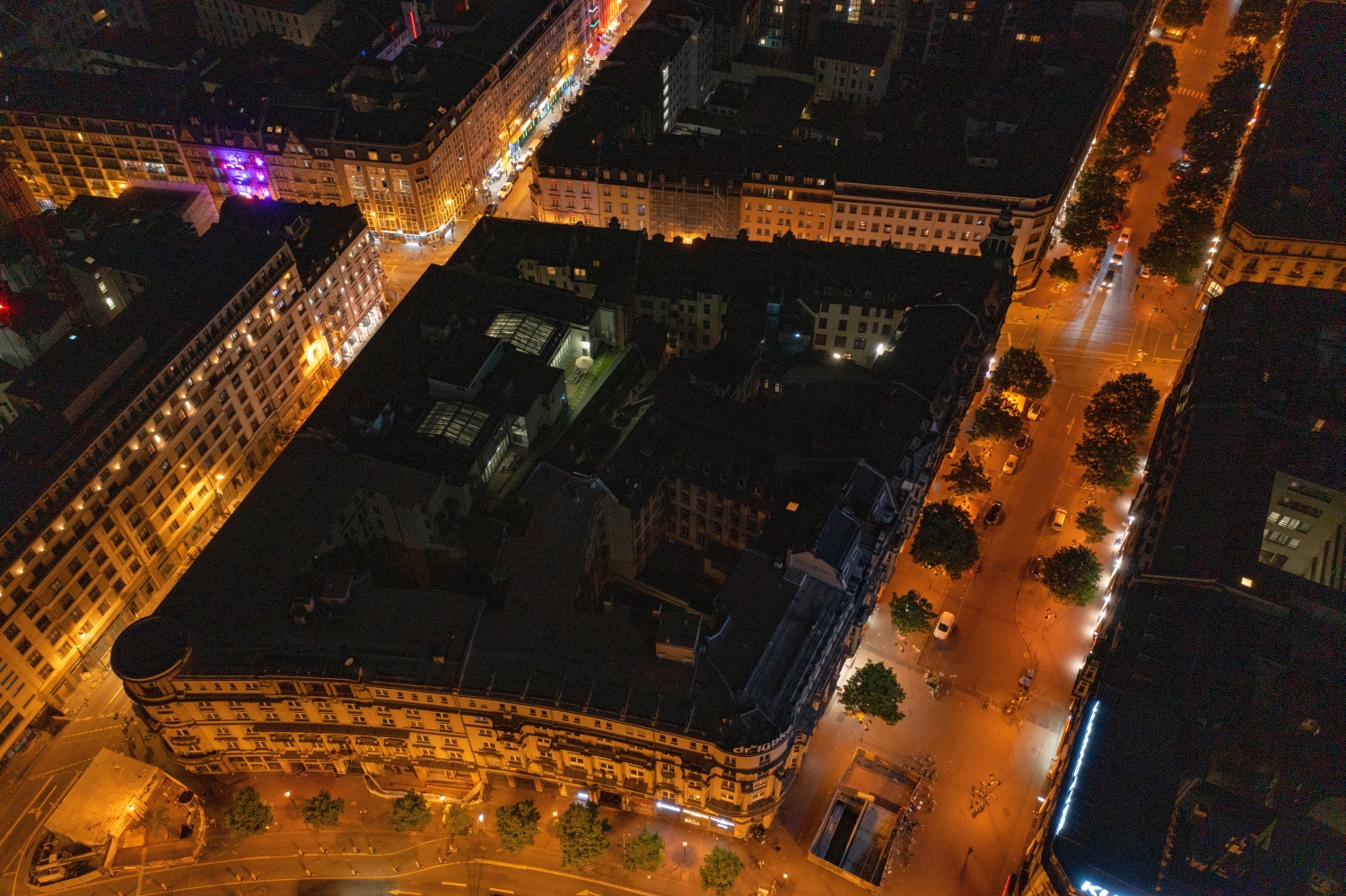
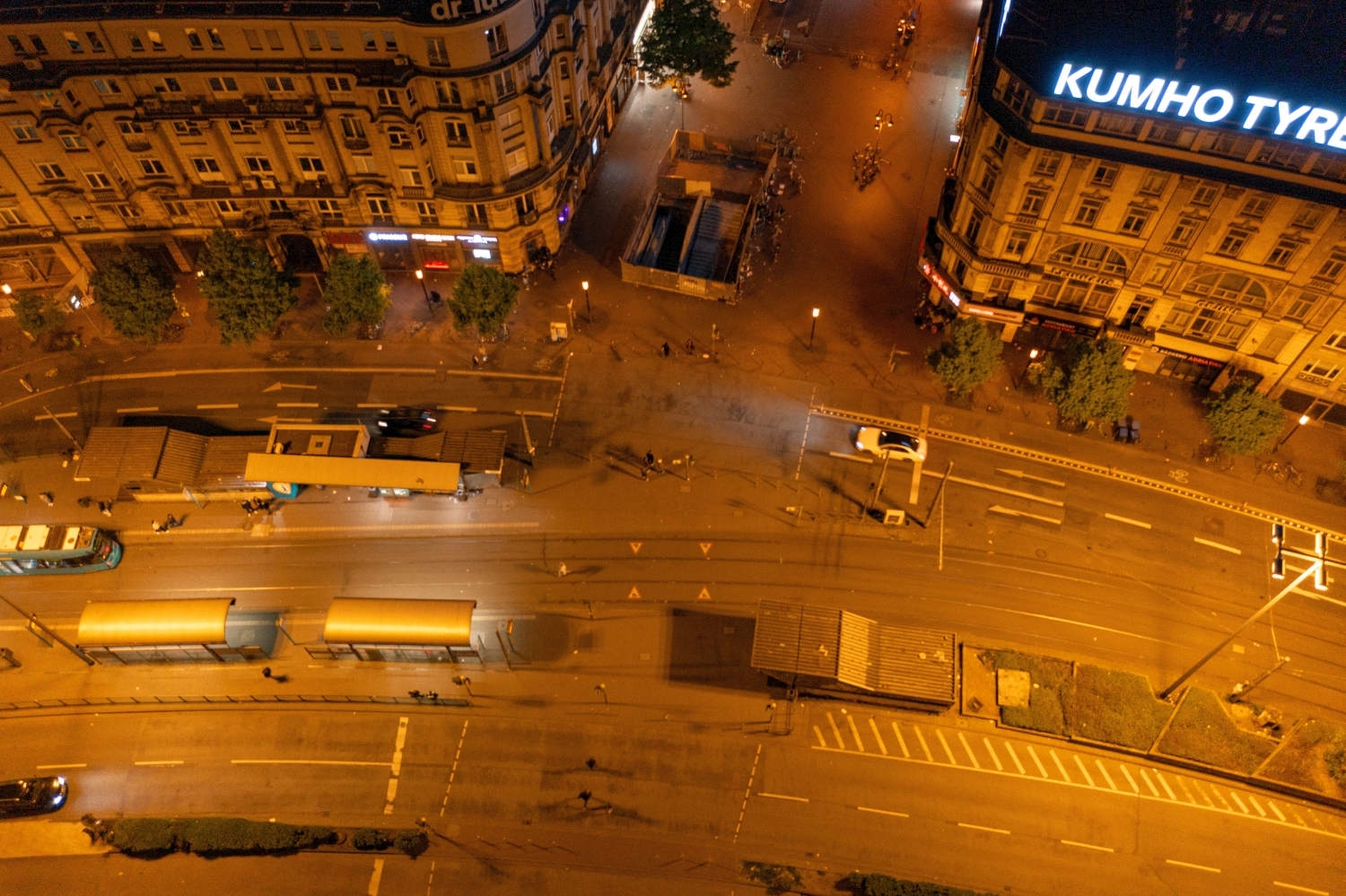
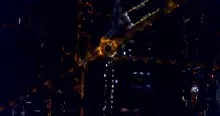
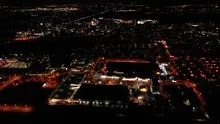
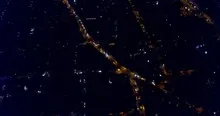
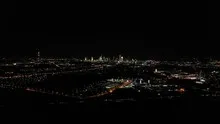
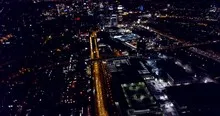
Frankfurt at night first appears as a network of light. Streets and intersections can be followed deep down, while the high-rise buildings emerge from darker areas. In the steep view, even bright platforms and traffic areas become almost graphic figures.
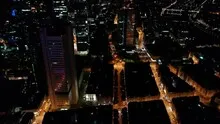
A skyline of light
After dark in Frankfurt, what is striking is how clearly the light network connects the individual parts of the city. A shot with a tower in the foreground can therefore be easily combined with a steeper view of the streets. The first shows the skyline, the second its urban substructure.
At night, light and dark surfaces tell a different story than during the day. Streets remain visible as lines, while green spaces and unlit facades recede. A bright spot easily attracts more attention than the intended subject. When it comes to publishing, it helps to take a look at the small preview. If the location is also recognizable at this scale, the recording works as an introduction. When viewed larger, the transitions between the warm light of the streets and the darker buildings can be seen.
The silhouette from a closer look
In tall buildings, the silhouette changes with every viewing angle. Two towers that stand close together from one direction reveal a wide gap from another perspective. In a shot for a city performance, such a gap helps to recognize individual buildings. A piece of surroundings at the foot of the houses is equally important. It shows how the large buildings arrive in the street space and what scale neighboring buildings, squares or traffic systems have in comparison.
Follow a line through the area
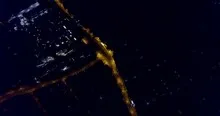
A traffic route gives direction to an aerial view. From above you can see where the route is, where it adapts to the terrain and where another path crosses it. An easily recognizable crossing is particularly useful for an illustration. It arranges the section in the larger network and brings together different proportions. A second look along the route can then show how the line from the first image continues into the adjacent landscape.
Warm tones within the series
To switch between two of the 17 aerial photos, shot 11 and shot 1 can be called up directly in the gallery. In the second view, warm reds and browns have more weight than in the first. Red-brown and yellowish areas are particularly noticeable next to cooler surfaces. What is interesting when comparing is whether they are concentrated on a single object or appear spread out across the entire view.
Shot 1 and Shot 17 are among the views from May 4, 2023. According to the camera's time information, there are approximately 14 minutes between the two images. The exposure time was 1/15 second for the first of the images mentioned and 1/20 second for the second.
For a selection of moving images, the gallery contains 33 linked clips. Below is “Frankfurt at Night from the Air”. Under Aerial Videos the preview leads to the aerial photographer's respective offer at Adobe Stock.
Maintain the lighting mood in the selection
A special lighting atmosphere also changes the description of the location. What appears clearly in the photo may only be an inconspicuous detail in daylight. For a caption, it is worth linking the observed effect precisely to this recording. If you want to have a similar view photographed again, you can show the aerial photographer the previous image as a reference. Weather, cloud cover and lighting can only be repeated to a limited extent. The comparison becomes all the more interesting when a fixed starting point makes the same place visible in both views.
Related motifs in the aerial photo archive
Two additional views can be used in the archive for comparison. The first can be found under Düsseldorf. The Düsseldorf photographs focus on the main train station and its surroundings in the city structure at night. The second belongs to the article Food. In Essen city center, the streets around the main train station glow in warm colors.